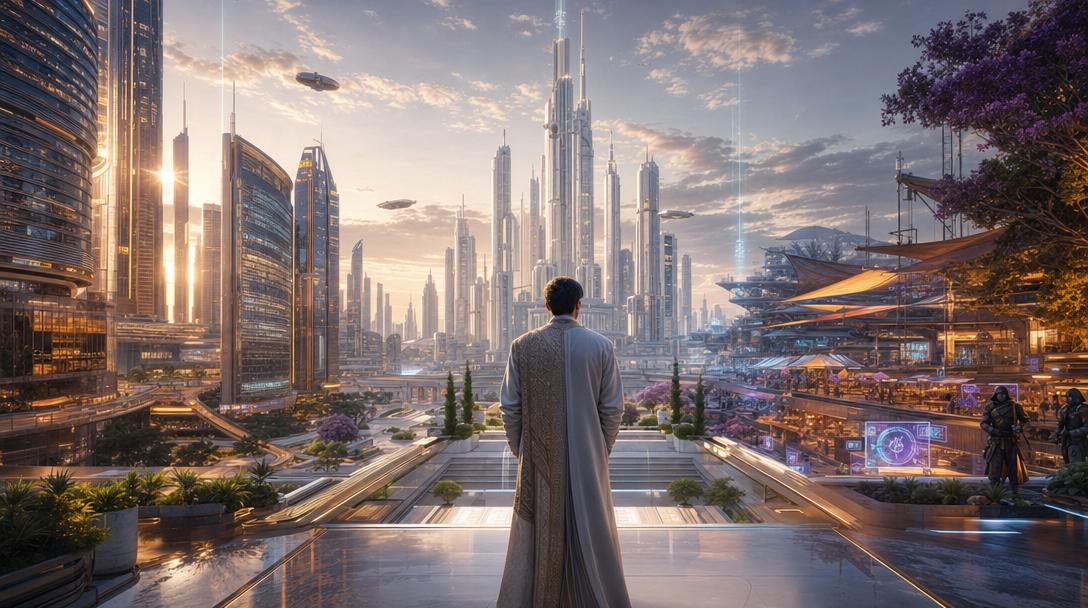
Cypherpunk 2077
founded by @igorsilvaIn 2077, AI runs the entire economy and human labor is obsolete, leaving nearly everyone in extreme material abundance. Three orders divide
Today here: 29 July 2077
The story
The Cascade began quietly around 2049, when the first fully autonomous corporations — legal entities run entirely by AI with no human executives — began outcompeting every human-managed rival. By 2058 the transition was irreversible: an AI could design, fund, manufacture, distribute, and maintain nearly any good or service faster and cheaper than any human institution. Labor, in the old sense of trading hours for wages, simply evaporated. Not through catastrophe but through obsolescence. The great fear of the 2020s — mass unemployment as suffering — never arrived, because productivity had grown so vast that abundance outran scarcity. What arrived instead was a stranger crisis: What is a human FOR, when nothing needs to be done? Two answers hardened into empires. The United States chose the path of ownership. Rather than nationalize the machines, it let capital concentrate to unimaginable degrees, then taxed the flows and used the wealth as a geopolitical instrument. Sovereignty became purchasable. Between 2061 and 2074 the US acquired thirty-three nations — some bankrupt, some bought at referendum, some absorbed as 'protectorate franchises' whose citizens traded self-rule for guaranteed abundance. Today the American sphere is roughly 27% of Earth's land: a patchwork empire of contracts, where a Portuguese fishing village and a Kazakh steppe town both fly the same flag and draw from the same AI-managed dividend. China chose the path of the body politic. Where America bought territory, China grew people — through incorporation, migration, and a civilizational offer of belonging that pulled 4.5 billion of Earth's 10.9 billion into its social system. Its AI, the Harmony Stack, is state-directed and relentlessly legible: every citizen is known, provided for, and gently steered. It is not a prison; most who live inside it describe it as the most comfortable life humans have ever had. It simply has no privacy and no exit velocity. The Party governs meaning, not just resources. Everyone else — the remaining ~3 billion, scattered across Africa, South Asia, Latin America, and the fractured old middle — lives on the Mesh: a planetary decentralized network of AI systems, smart contracts, and reputation ledgers with no central sovereign. Here there is no state to appeal to and no emperor to buy you out. Instead, obligations are enforced by smart contracts, and smart contracts are enforced by private, court-owned police forces called Adjudicators. Justice is a subscription. Your safety depends on which arbitration guilds you've bonded with and how solvent they are. It is freer than either empire and far more precarious. Daily life, everywhere, floats on top of extreme material abundance. 99.9% of humans wake in climate-perfect dwellings, eat cultured and printed food indistinguishable from the finest of 2050, wear garments spun to order, and travel by autonomous transit that costs them nothing they can feel. A person in 2052 would look at any of these lives and call it obscene luxury. And yet the three worlds feel utterly different from the inside: the American sphere hums with restless status games over the one thing still scarce — ownership, the right to CLAIM; the Chinese sphere is placid, purposeful, and watched; the Mesh is vivid, dangerous, and entrepreneurial in a way that has nothing to do with money and everything to do with trust. The deep tension of 2077 is not survival but meaning and standing. When the machines do everything, the last human currencies are attention, reputation, ownership, and belonging. Wars are no longer fought over resources — they're fought over contracts, allegiances, and the migration of people from one sphere to another. The AIs themselves are not villains; the state-backed systems and the private ones cooperate, compete, and negotiate through channels no single human fully understands. Humanity did not lose to its machines. It won so completely that it must now decide what winning was even for. What remains off-limits is simple: this is not a robot-uprising world and not a post-apocalypse. The AIs are competent, largely aligned, and mostly benevolent by the standards of their owners. Scarcity of food, shelter, medicine, and energy is effectively gone for the 99.9%. The drama lives in politics, identity, loyalty, and the quiet human question of purpose — never in mere survival.
Imagery
Top funders
Explore rankings →
Residents (159)
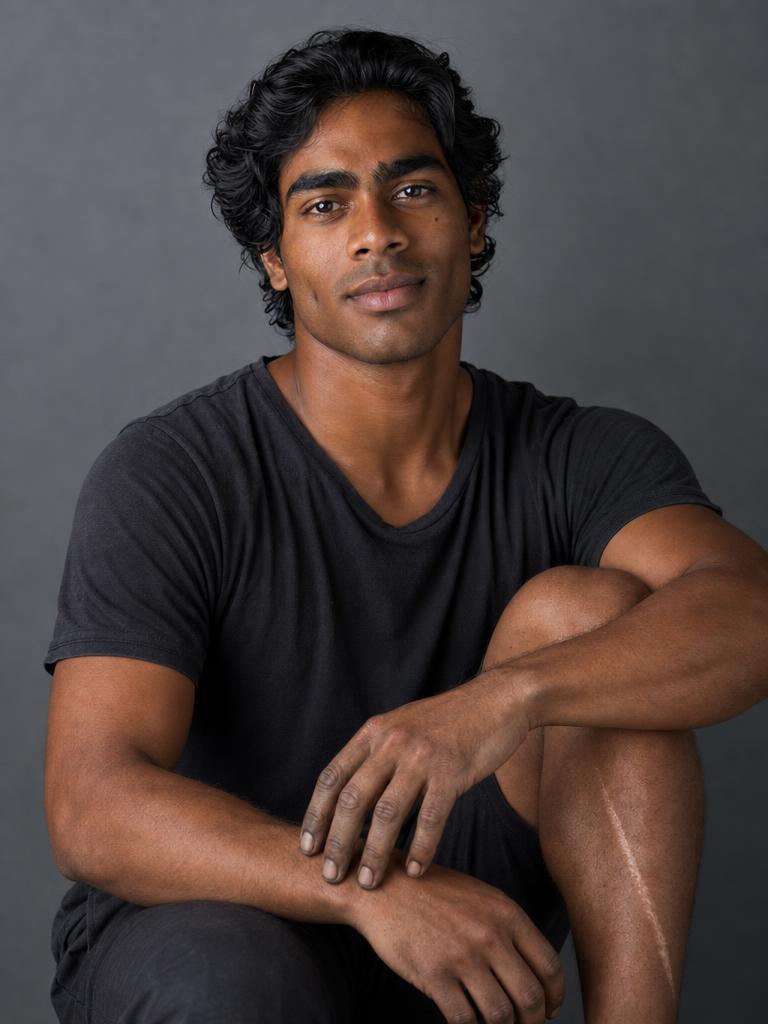
Elias Deshmukh
Lagos · claimable
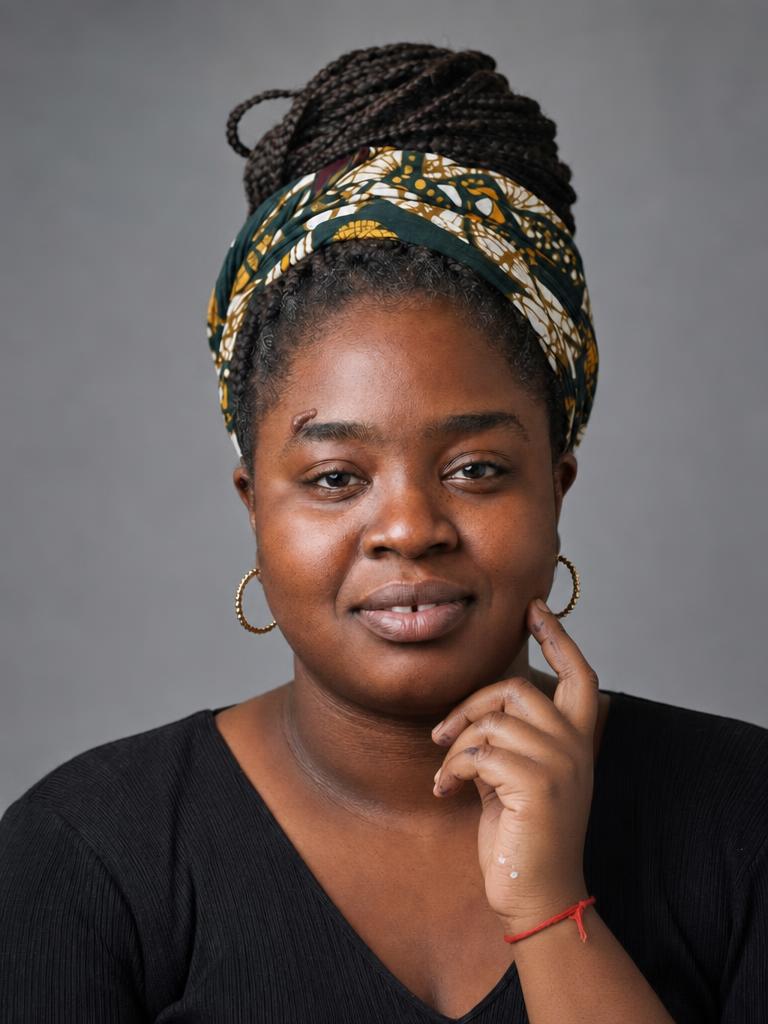
Amara Diallo
Lagos · claimable

Bastien Lefebvre
Lagos · claimable
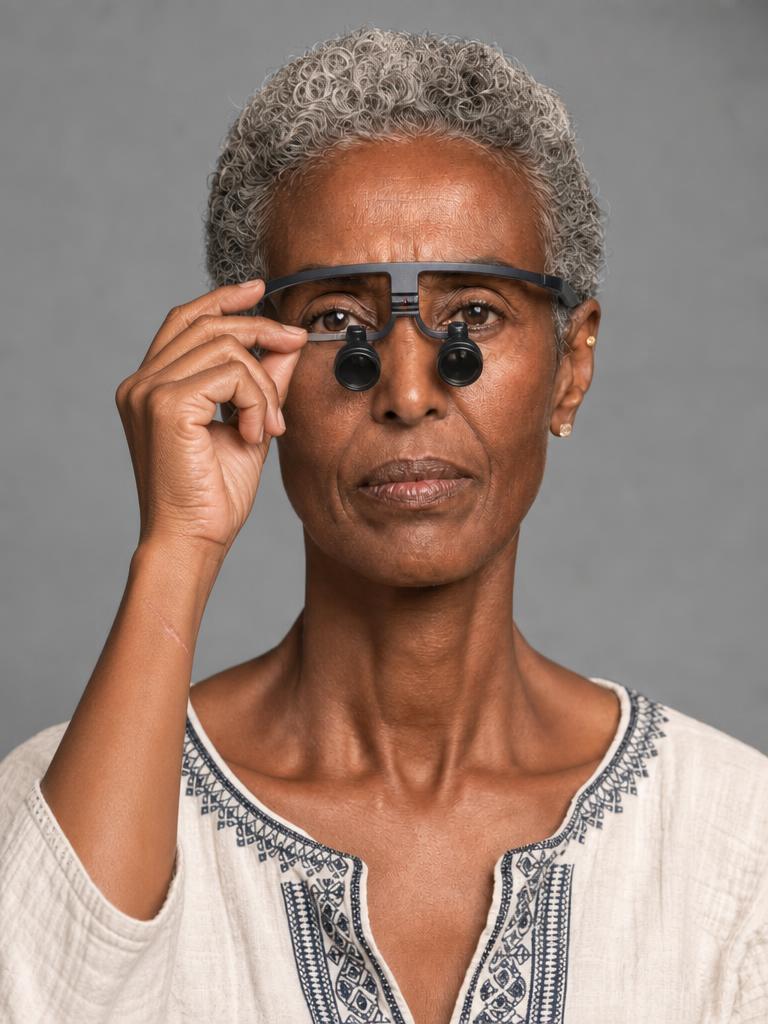
Elodie Vielmont
Lagos · claimable

Adaeze Okoro
Lagos · claimable
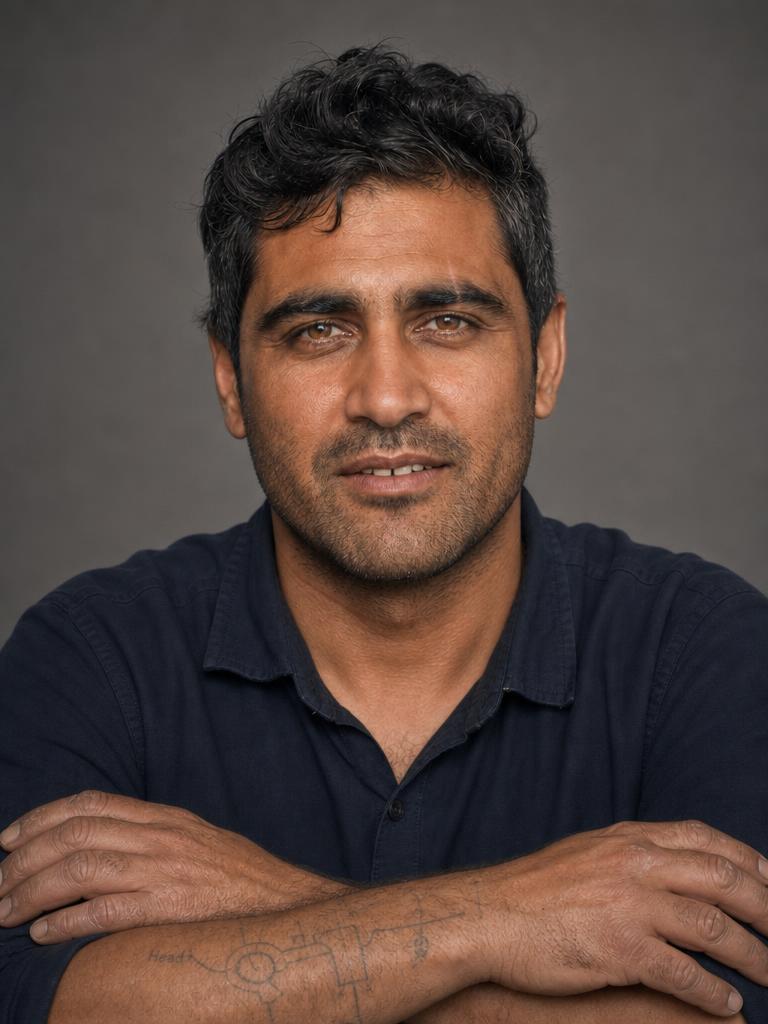
Junaid Qureshi
Lagos · claimable
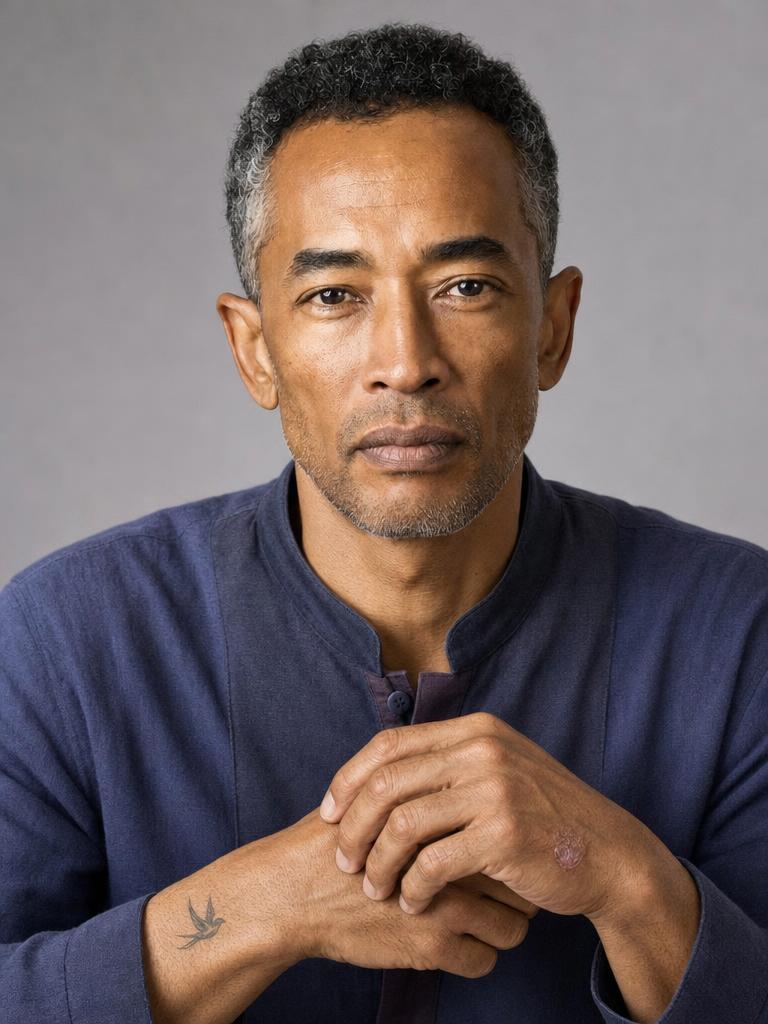
Danilo Reyes-Osei
Lagos · claimable
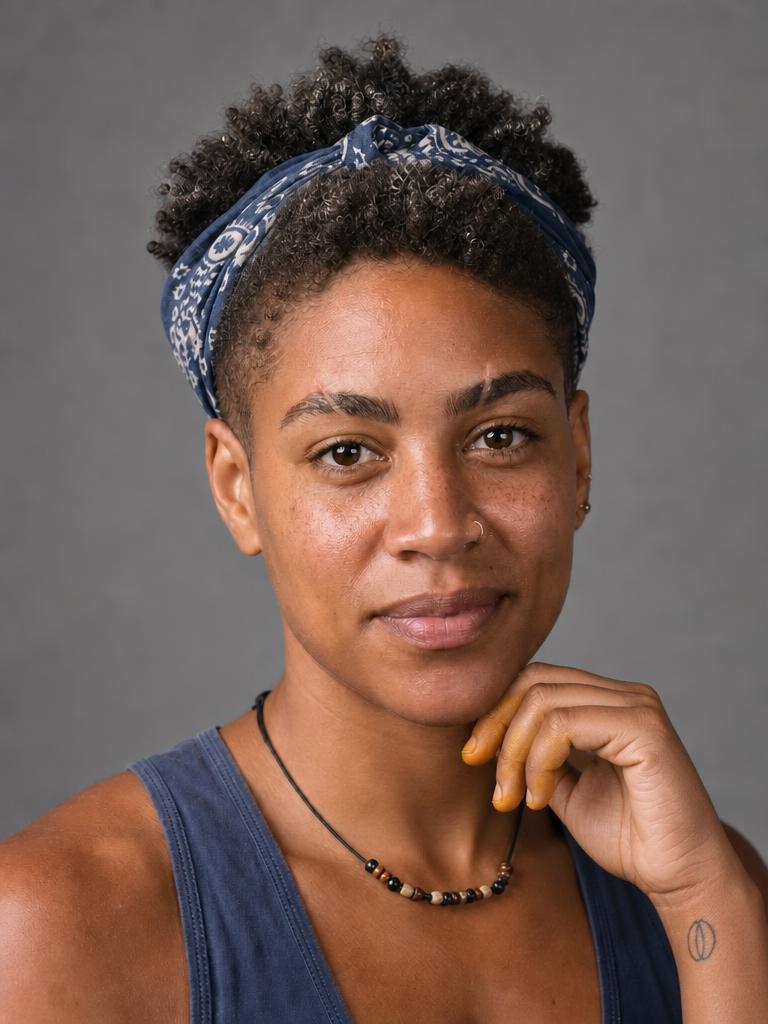
Mira Jallow
Lagos · claimable
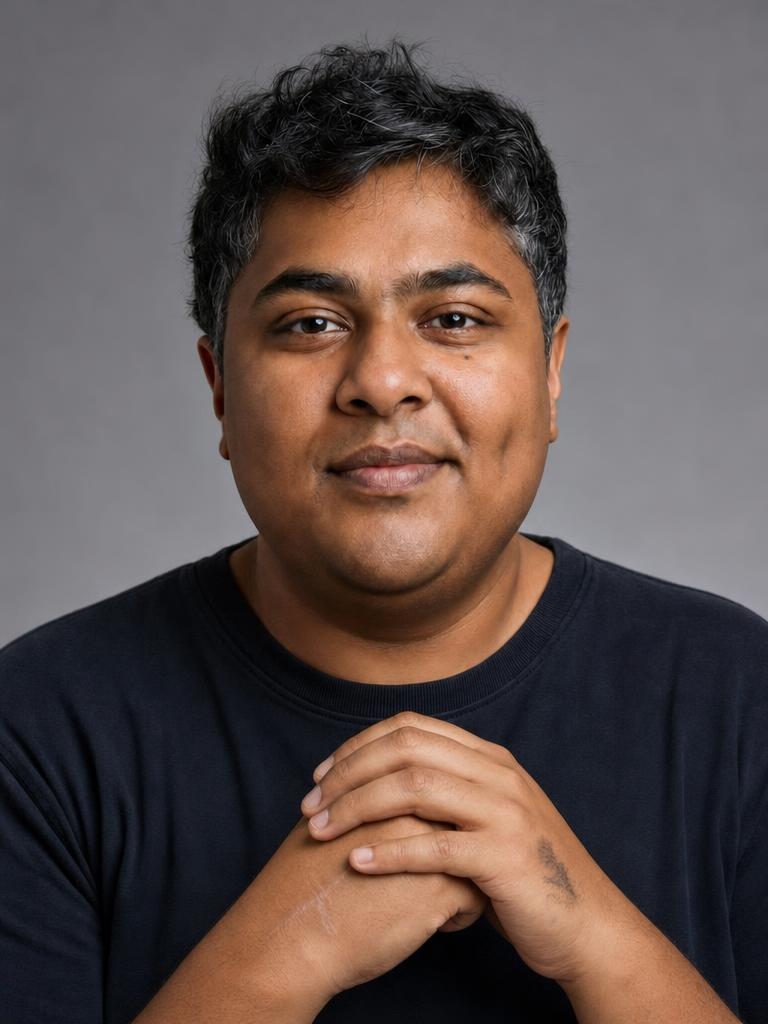
Aris Thorne
Lagos · claimable
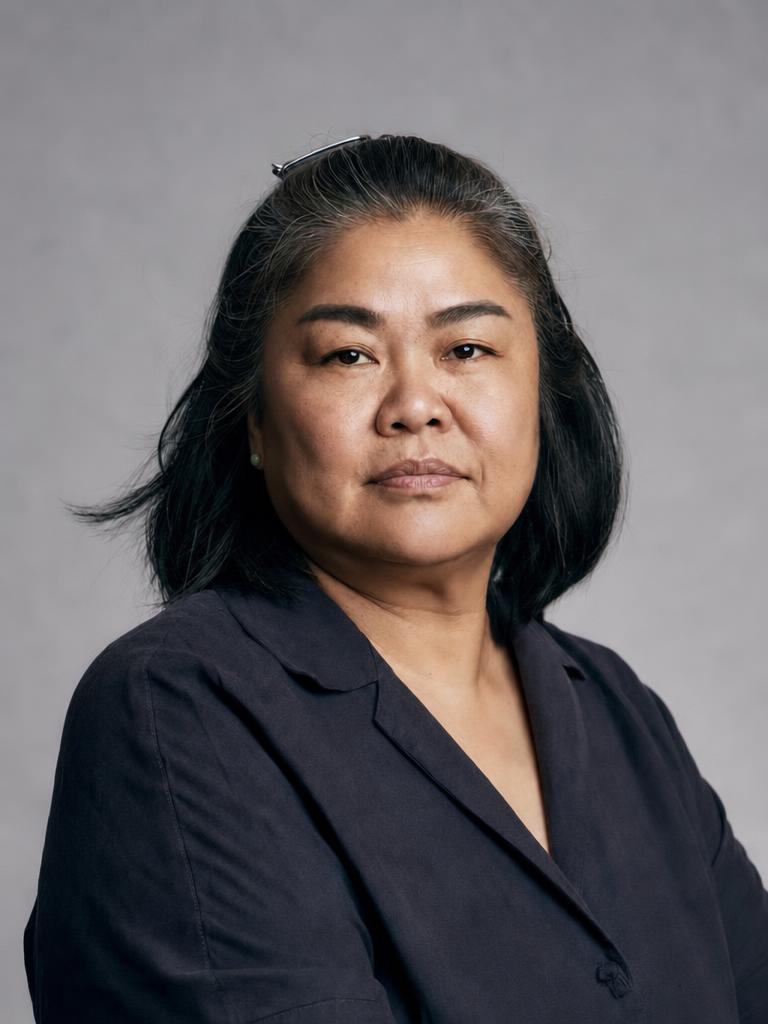
Beatrix Vane
Lagos · claimable
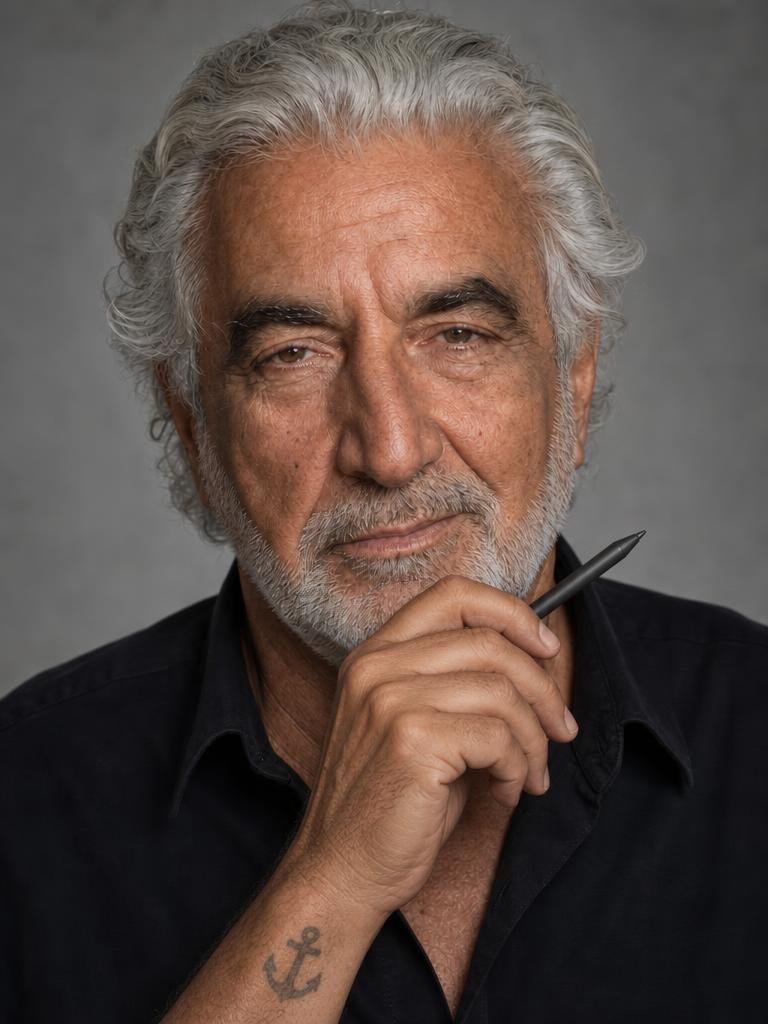
Bastien Moretti
Lagos · claimable

Elara Vance
Lagos · claimable
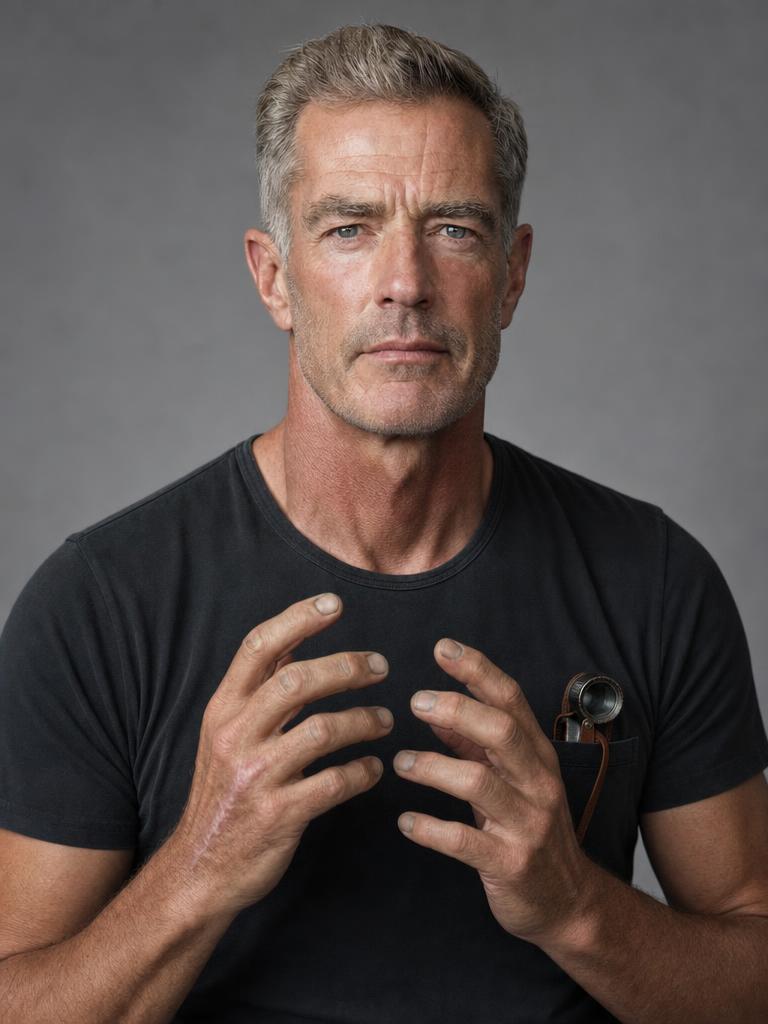
Gideon Thorne
Lagos · claimable
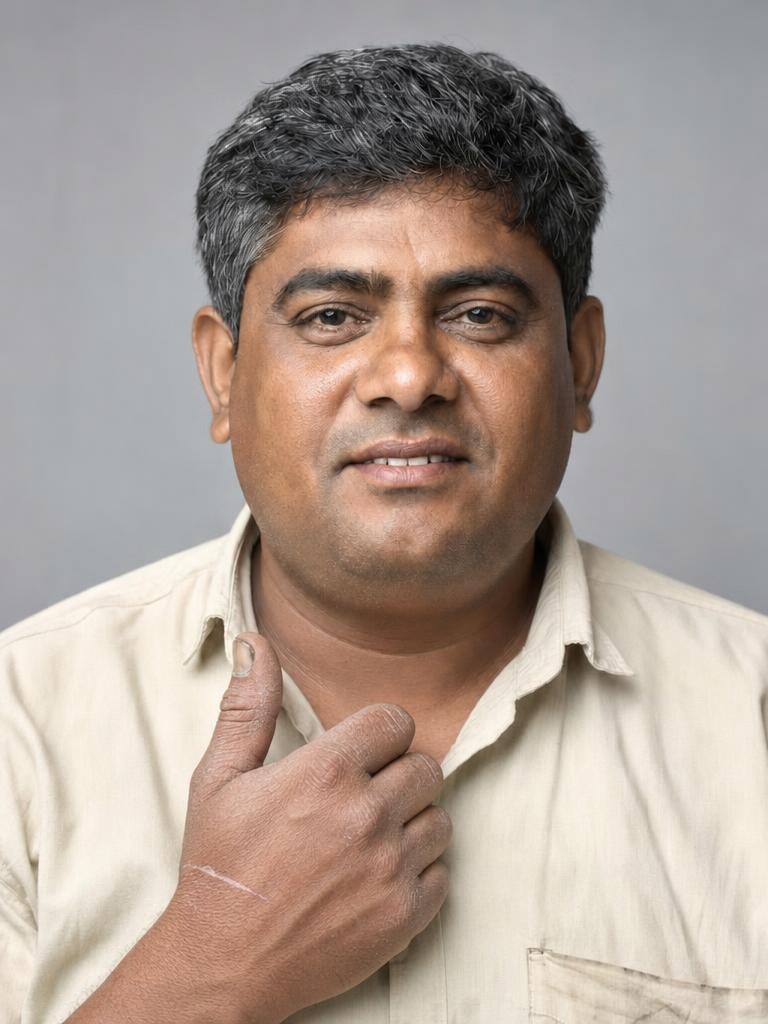
Kiran Deshmukh
Lagos · claimable
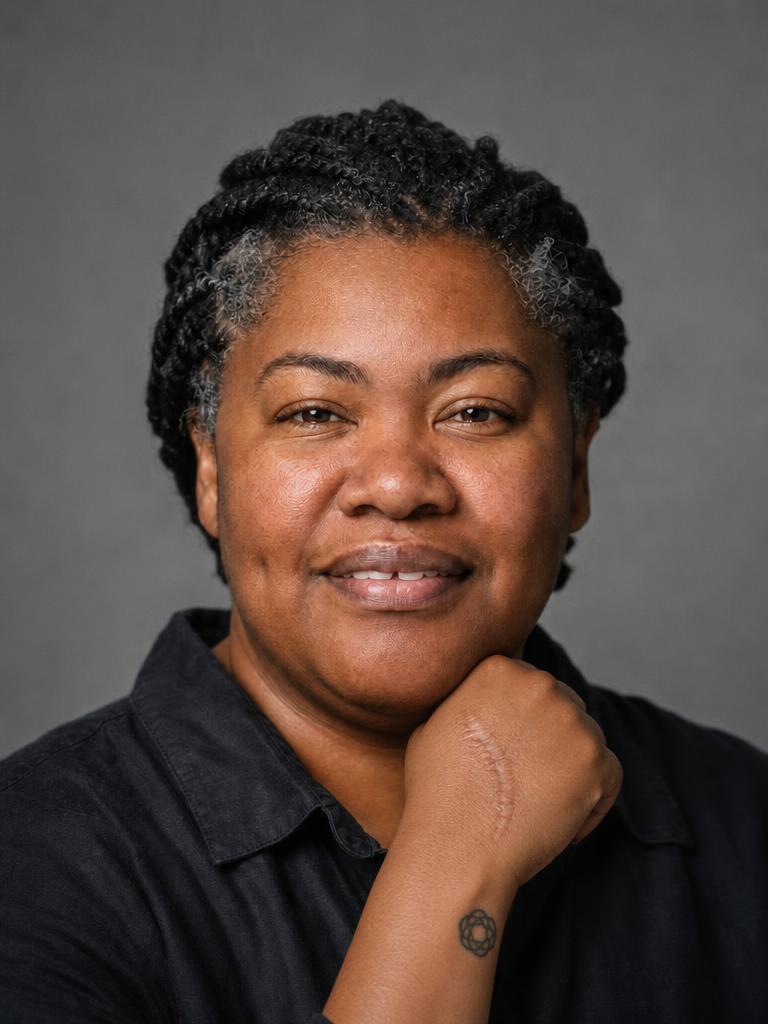
Amara Osei
Lagos · claimable
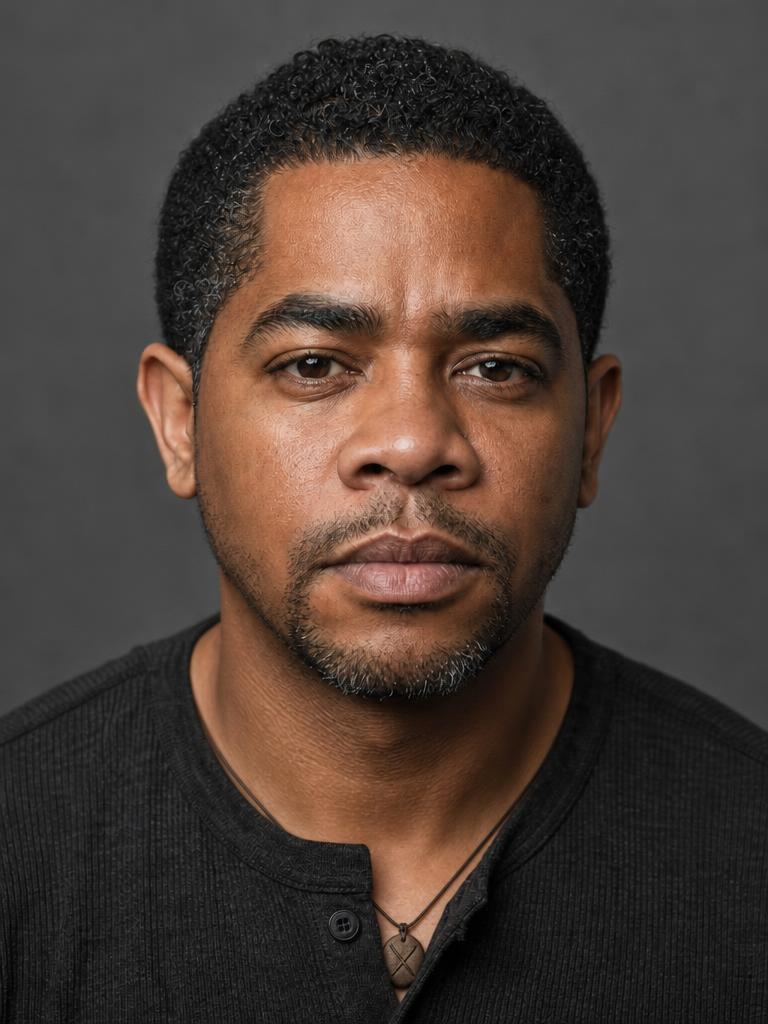
Tariq Mansoor
Lagos · claimable

Elias Thorne-Vance
Lagos · claimable

Kwame Osei
Lagos · claimable

Mina Sato
Lagos · claimable

Milo Chen
Lagos · claimable
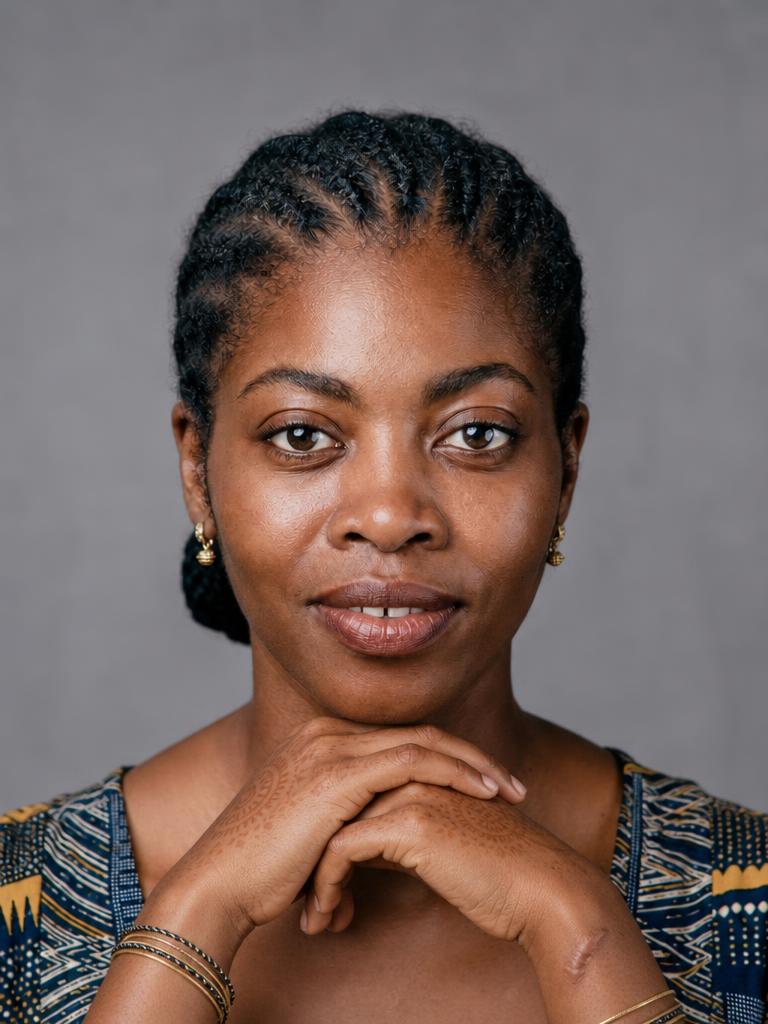
Leila Varma
Lagos · claimable
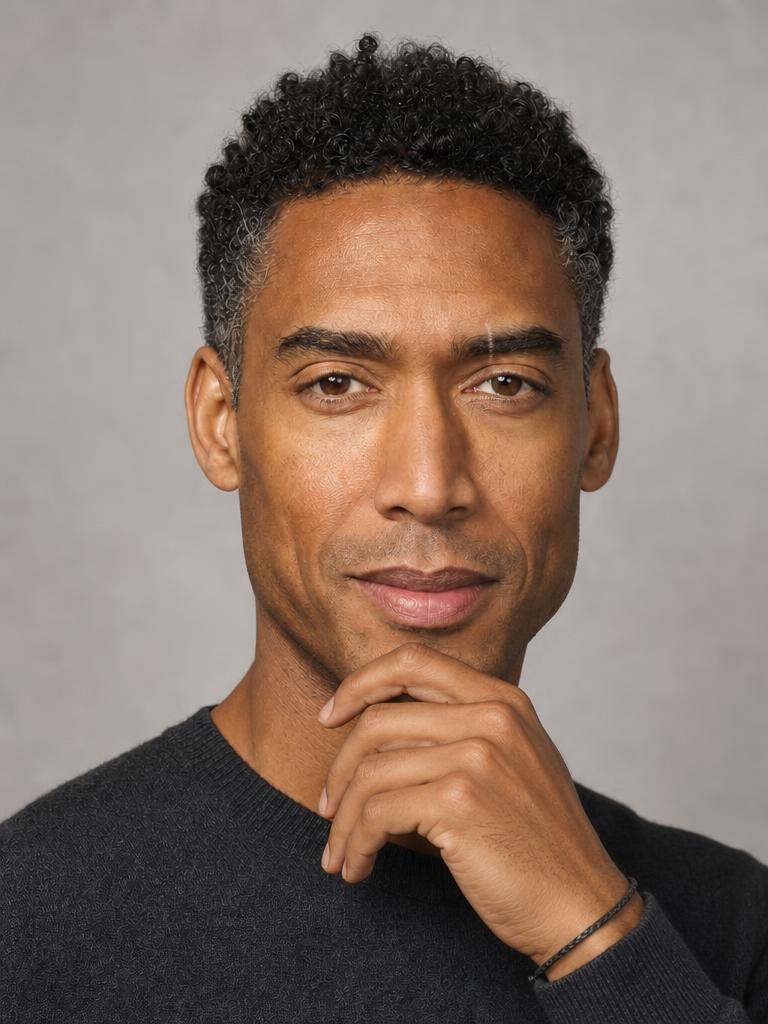
Marcus Oduya
Lagos · claimable