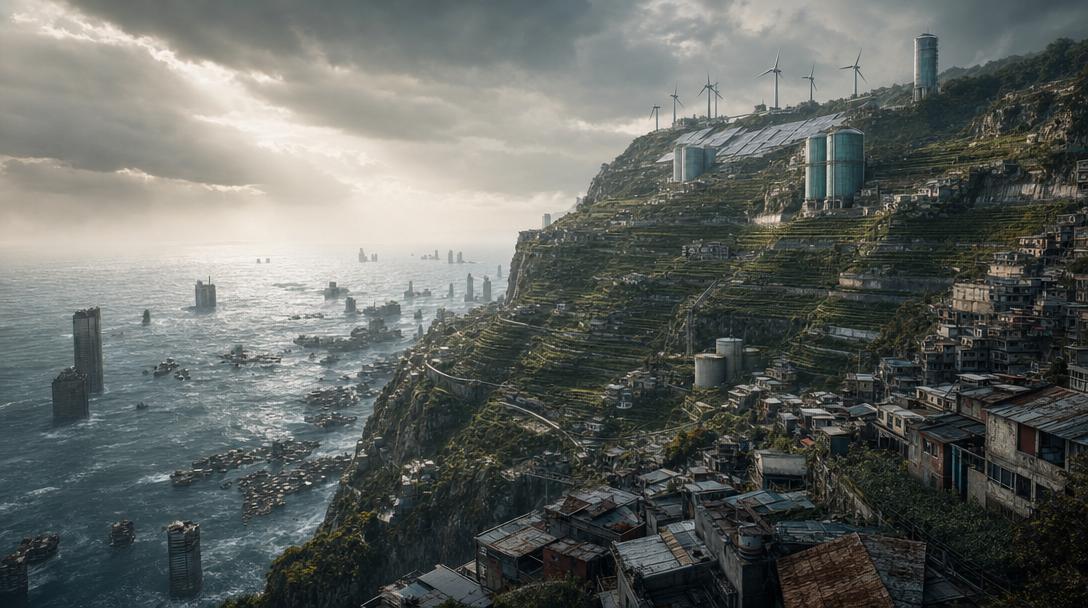
Waterworld
founded by @ftylIn 2055, complete polar ice melt has raised sea levels roughly sixty-five meters, drowning nearly every coastal city and shrinking habitable
Today here: 13 September 2055
The story
The rise did not come as a wave but as a decades-long creep, and that is what made it merciless. By the late 2030s the Greenland and West Antarctic sheets had passed their tipping points; by 2048 the East Antarctic followed, and the models that once argued over centimeters were arguing over meters. When the seas finally stabilized in the early 2050s—roughly sixty-five meters above the old baseline—the coastlines humanity had built its entire civilization around were simply gone. Miami, Shanghai, Amsterdam, Dhaka, Jakarta, London below the new sea walls: all drowned. The maps children learn from in 2055 look nothing like the ones in their grandparents' schoolbooks. What remains inhabitable is the high ground: the interior plateaus, the mountain ranges, the elevated inland shields. The Tibetan Plateau, the Ethiopian Highlands, the Andean altiplano, the Rockies and Appalachians, the Alps and Carpathians, the highlands of central Africa and the interior of Australia's Great Dividing Range—these became the new real estate of the species. Roughly seventy percent of pre-flood coastal population either relocated inland or died in the crush of the migrations that historians now simply call the Ascents. Nations did not so much collapse as recompose: governments that controlled high terrain absorbed the refugees of drowned lowland states, and old borders became suggestions. Daily life in 2055 is life on the heights, and it is defined by scarcity of flat, farmable, temperate land. The most valuable ground on Earth is a mild plateau with fresh water and good soil, and such places are dense, contested, and tightly administered. Terraced agriculture climbs every survivable slope. Cities stack vertically because horizontal room is a luxury. Salt has poisoned the water tables of countless lowland aquifers, so desalination towers and highland reservoirs are strategic infrastructure guarded like fortresses. The old carbon economy is dead not from virtue but from drowning—the oil fields and refineries are under the sea—so the new grid runs on highland solar, wind off the ridgelines, and the vast hydro potential of rivers that now fall from mountains straight into the risen ocean. The sea itself is both graveyard and frontier. Above the drowned cities float the Shallows communities: salvage crews, fishers, and stateless people who could not secure a place on the heights and instead built on barges, oil-platform relics, and anchored raft-towns over the ruins. They dive the flooded skyscrapers for copper, steel, and forgotten wealth. The highland states regard them as a nuisance, a smuggling network, and a source of cheap desperate labor all at once. Between the heights and the Shallows runs a constant, uneasy traffic of goods, people, and grievance. Culture has curdled and reinvented itself around altitude as class. To be 'highborn' is now literal—to hold citizenship on stable, elevated, defensible land. To be from the water is to be provisional, disposable, mobile. A generation is growing up that has never seen a beach that wasn't someone else's rooftop, never known a season that behaved as the old calendars promised. The weather remains violent; the climate has not finished settling, and superstorms still chew at the new coasts each year. People speak of the pre-flood world—'the Dry Century'—with a mix of reverence and blame. What is off-limits in this canon: there is no magic, no quick technological reversal, no refreezing of the poles, no restoration of the old coastlines within a human lifetime. The sea does not recede. There is no benevolent world government that fixed everything, and no single villain who caused it—the flood is the accumulated verdict of billions of small choices across a century. Space colonies, aliens, and post-scarcity abundance are not part of this world; humanity is stranded on a smaller Earth and must live with what it drowned.
Imagery
Top funders
Explore rankings →Residents (136)
showing 24 of 54 in La Paz Crown · shuffled
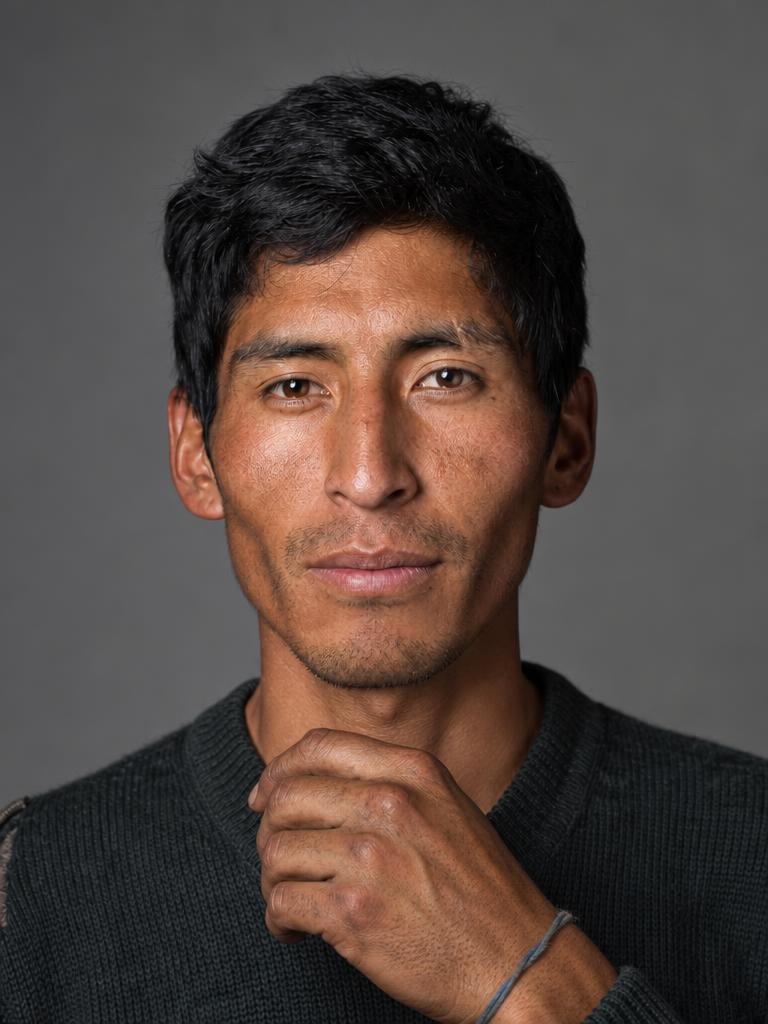
Mateo Quispe
La Paz Crown · claimable
 Guarded (gold badge)
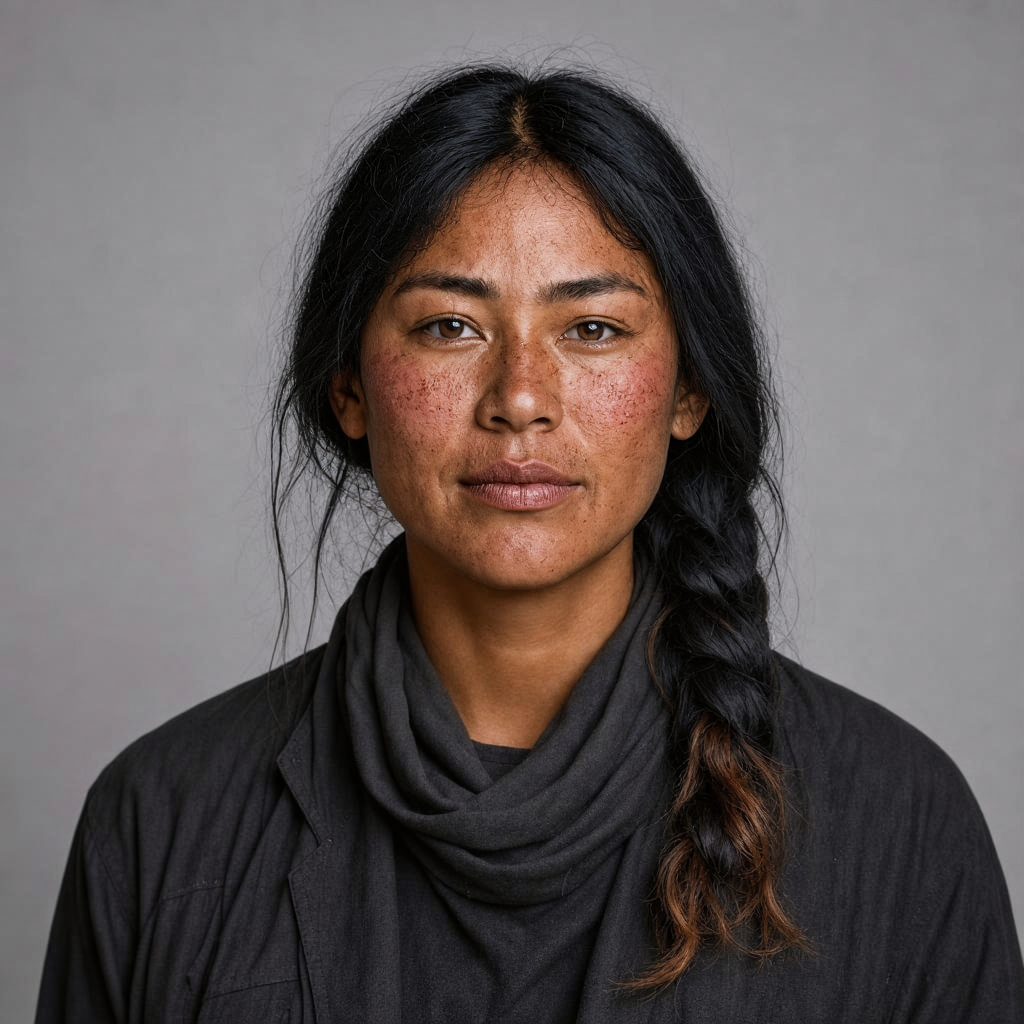
 Rosa Mamani Achterberg
La Paz Crown · guarded
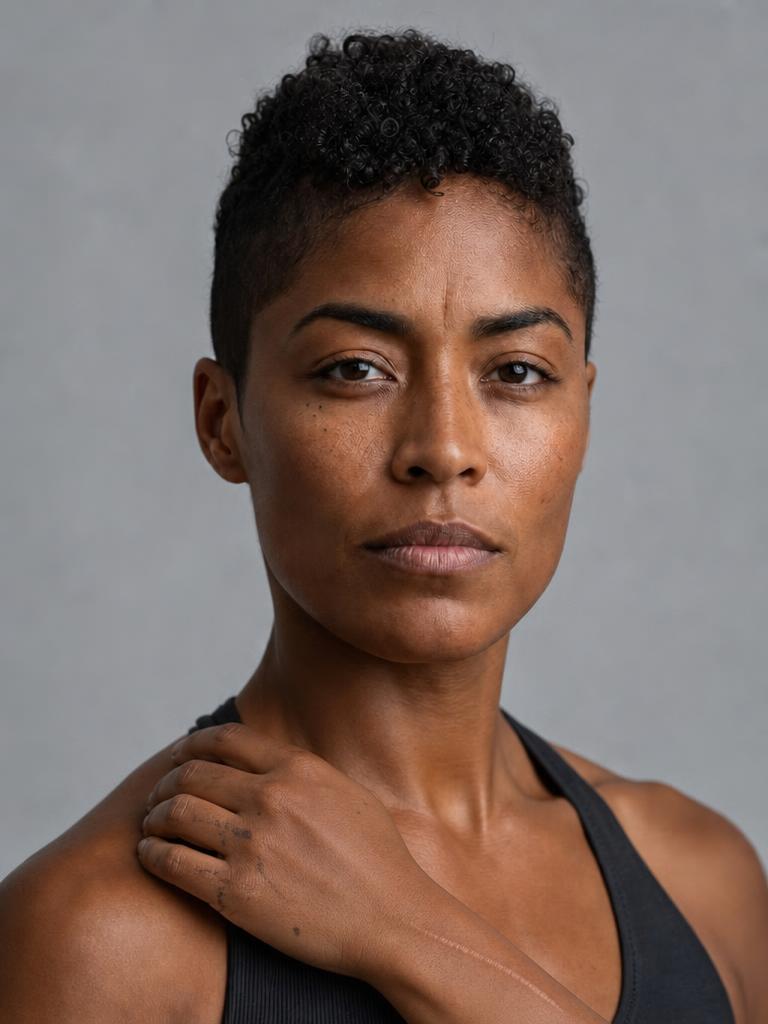
Elowen Vance-Okoro
La Paz Crown · claimable
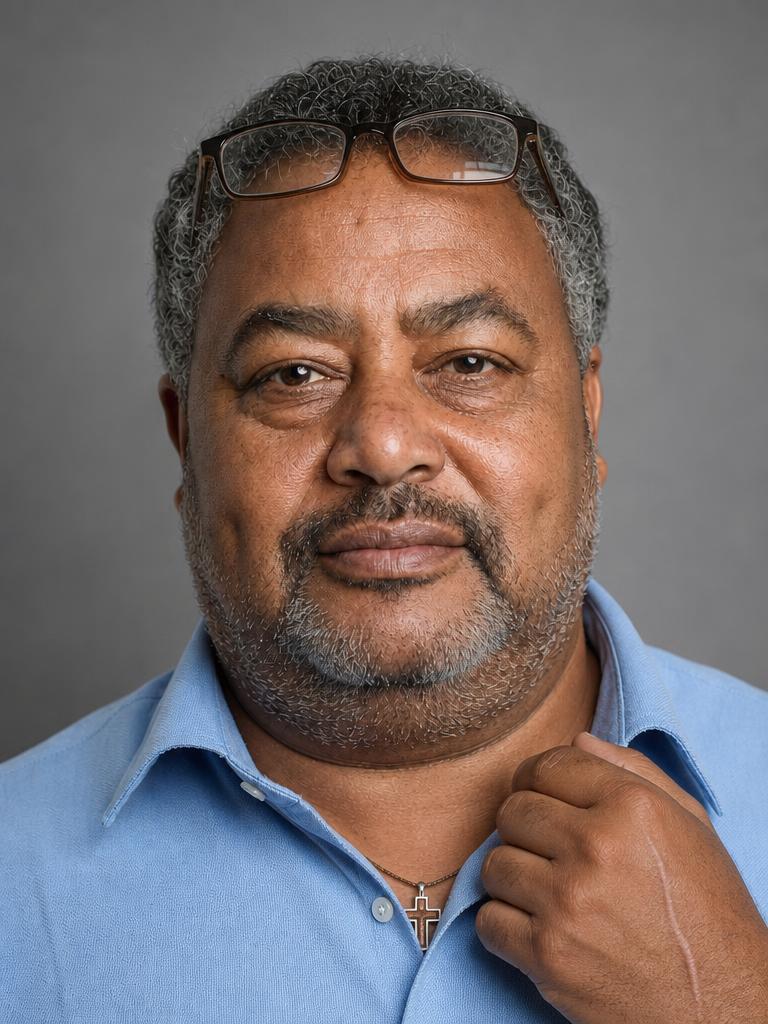
Mulugeta Zewde
La Paz Crown · claimable
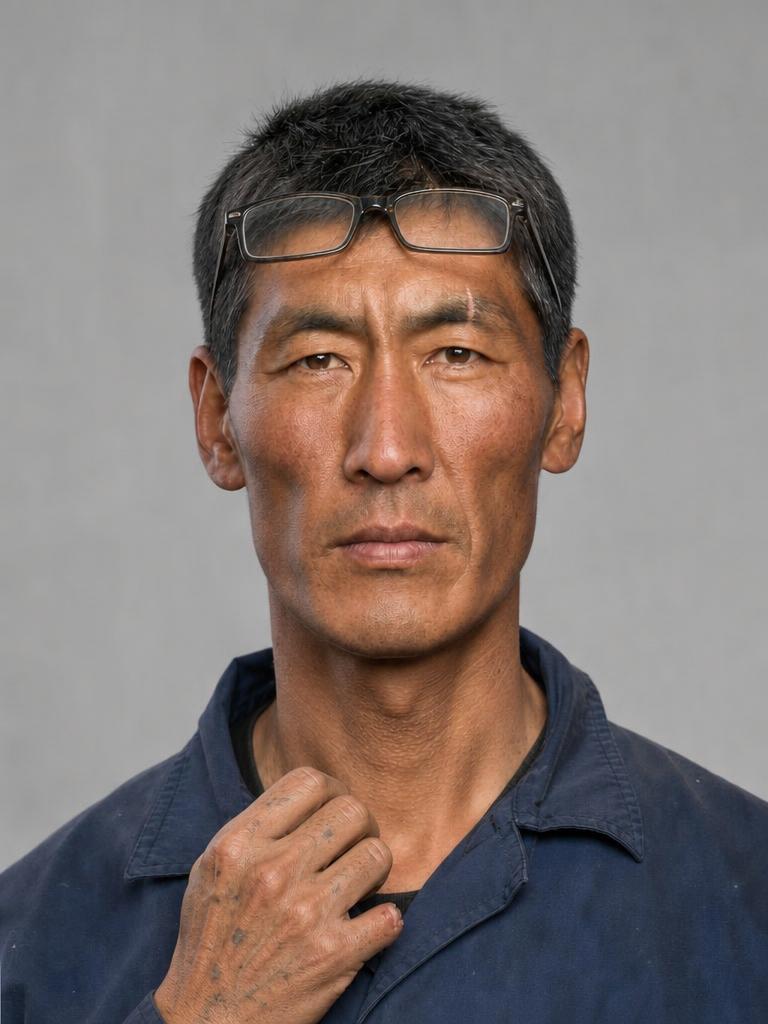
Oscar Beltran
La Paz Crown · claimable
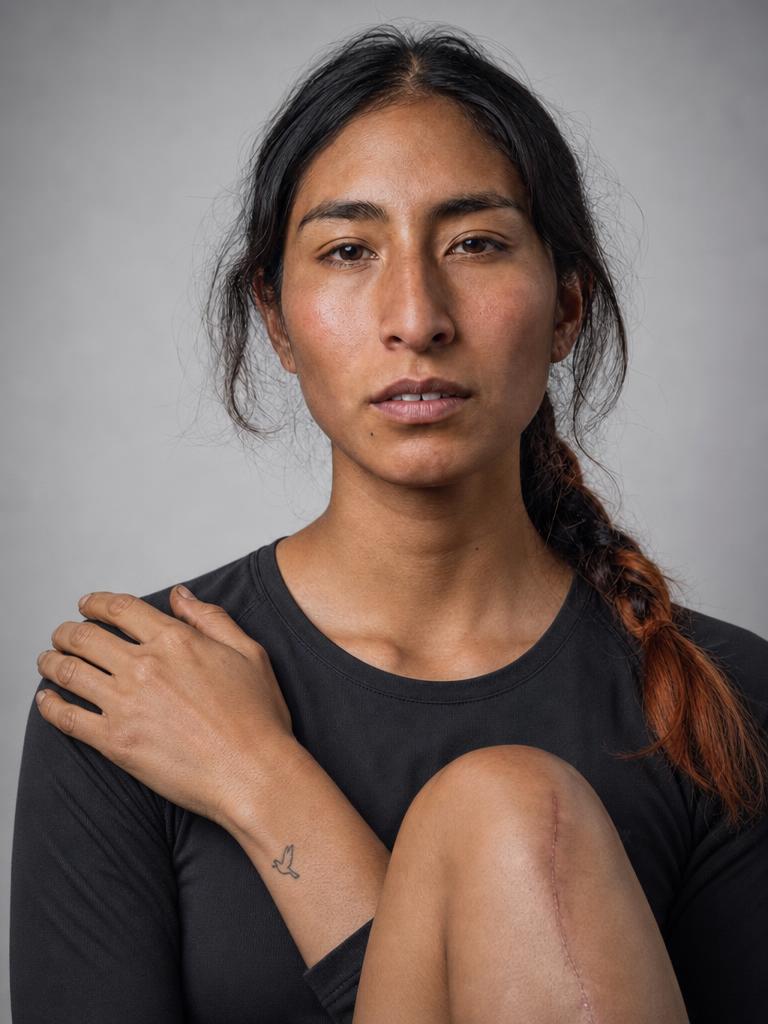
Luz Villalobos
La Paz Crown · claimable
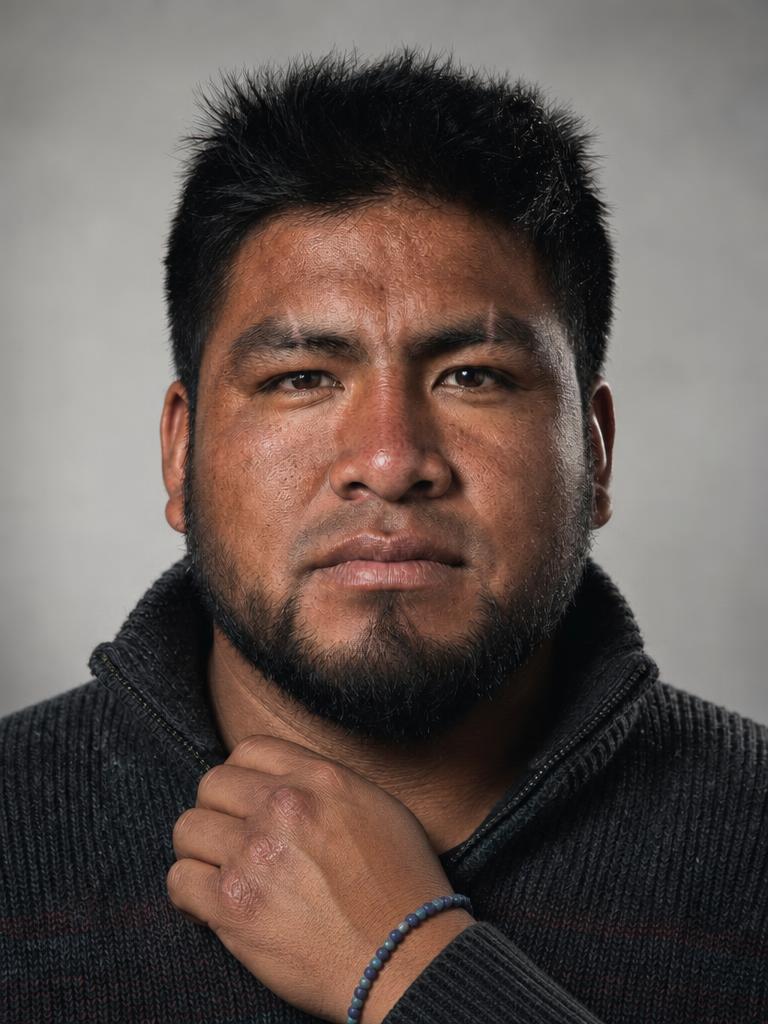
Tadesse Melaku
La Paz Crown · claimable
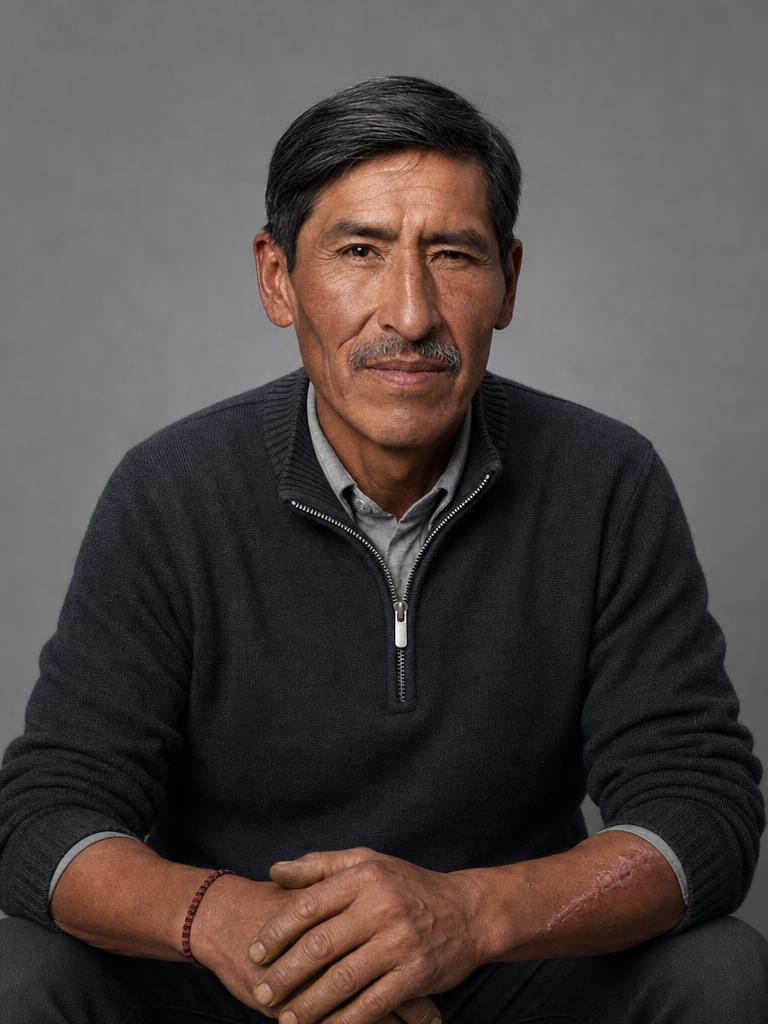
Sacha Bellegarde
La Paz Crown · claimable
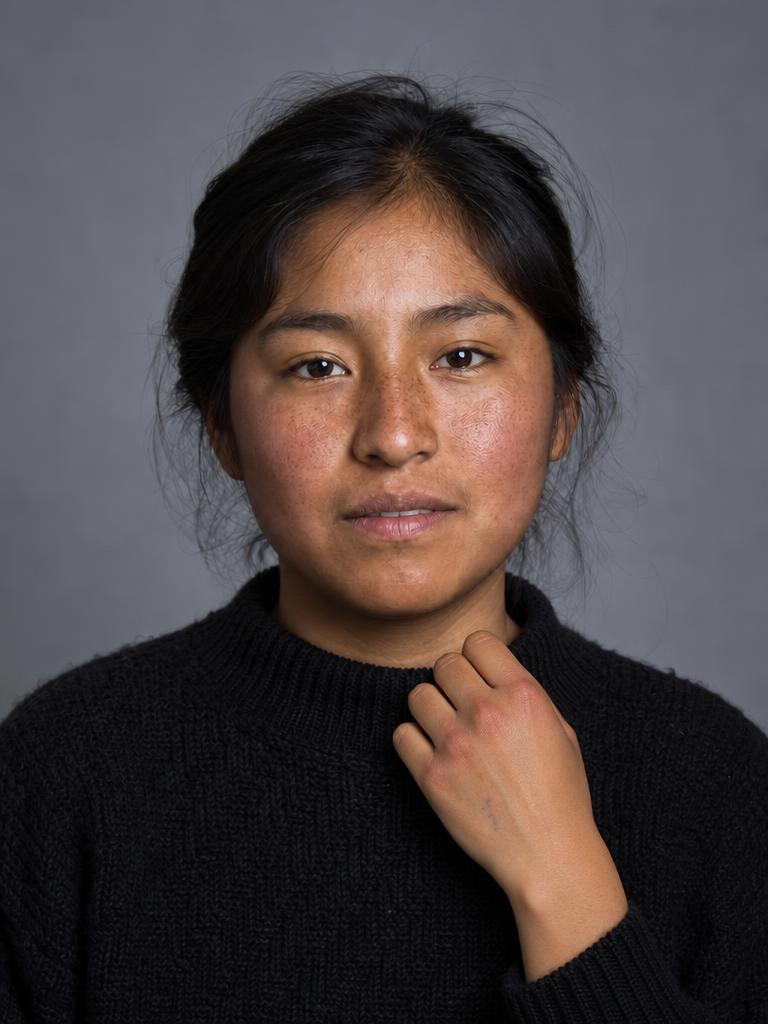
Tomasa Huanca
La Paz Crown · claimable
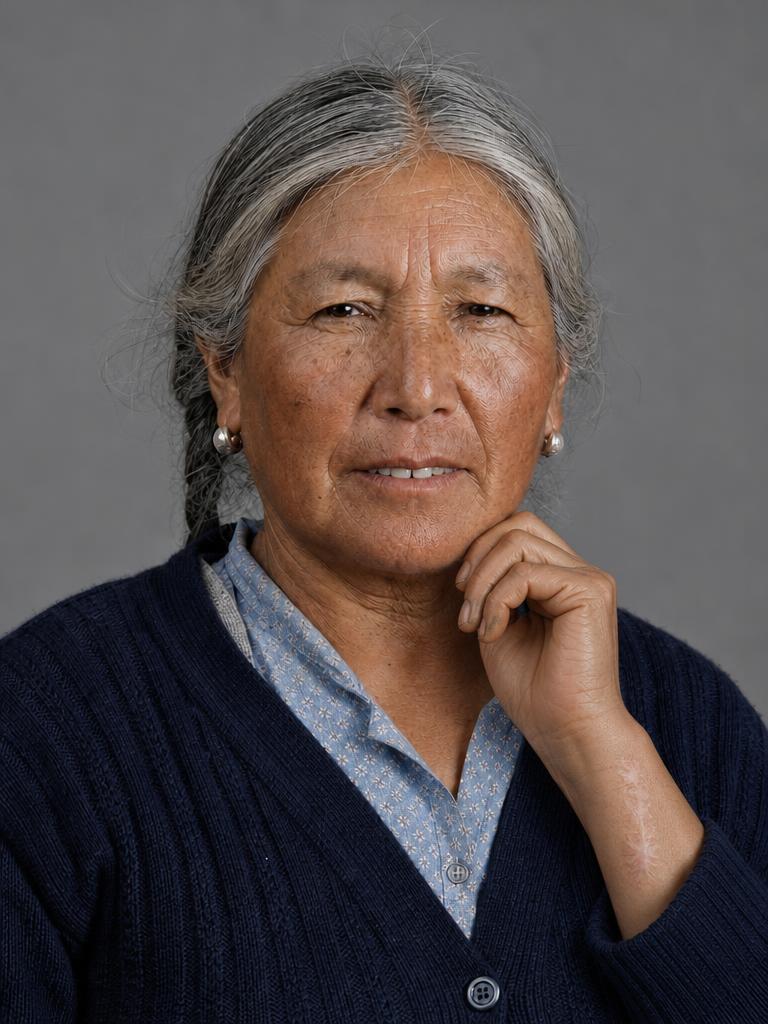
Ewa Nowak
La Paz Crown · claimable
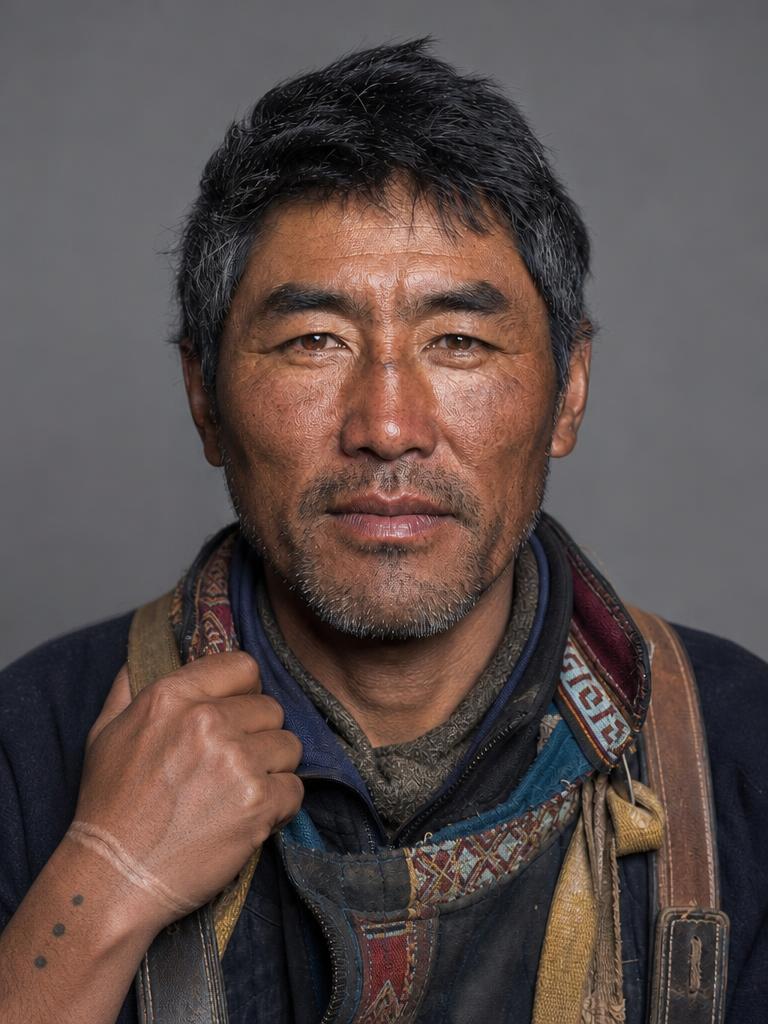
Waskar Delgado-Tsering
La Paz Crown · claimable
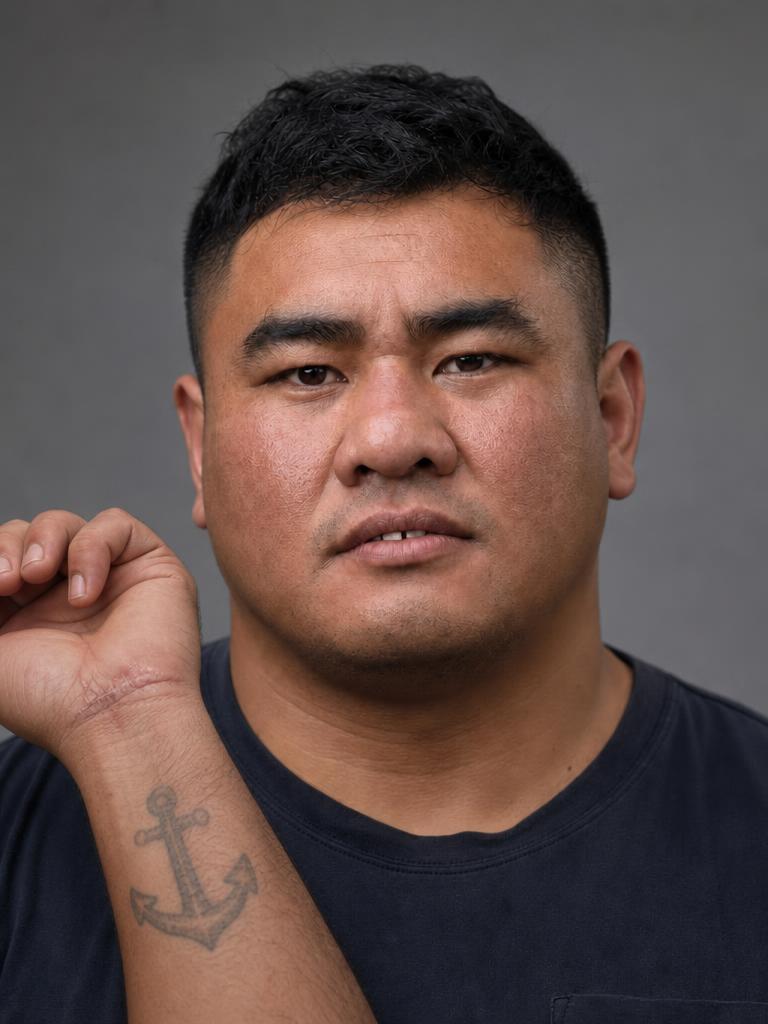
Javier Mendoza
La Paz Crown · claimable
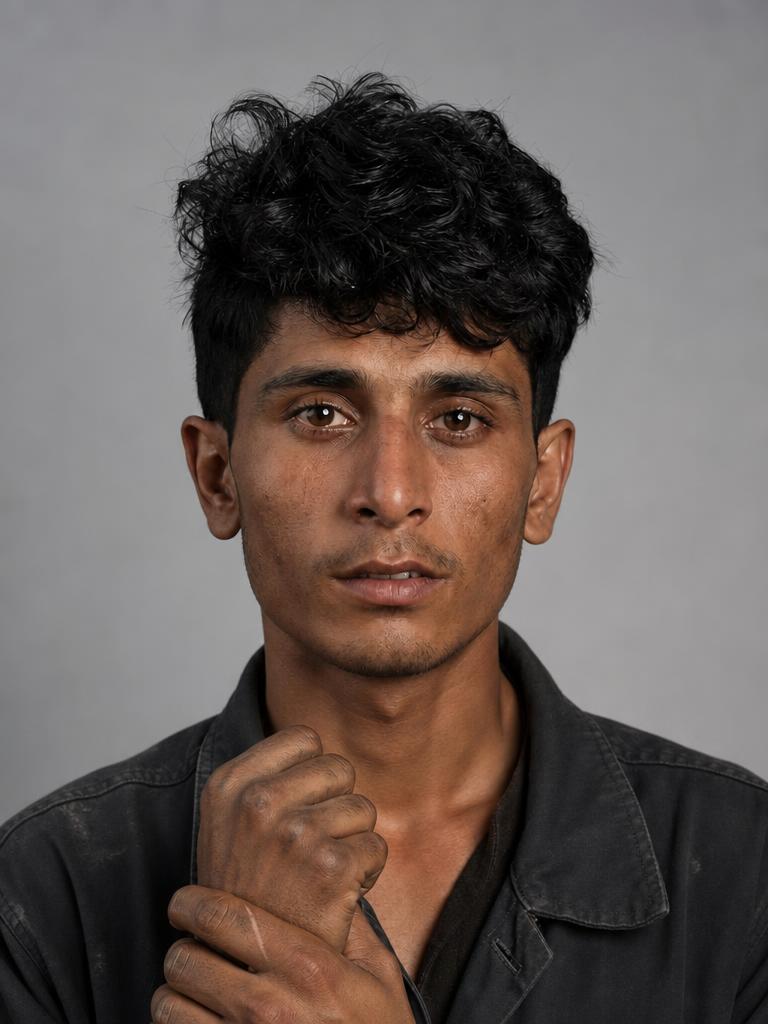
Tariq Al-Fayed
La Paz Crown · claimable
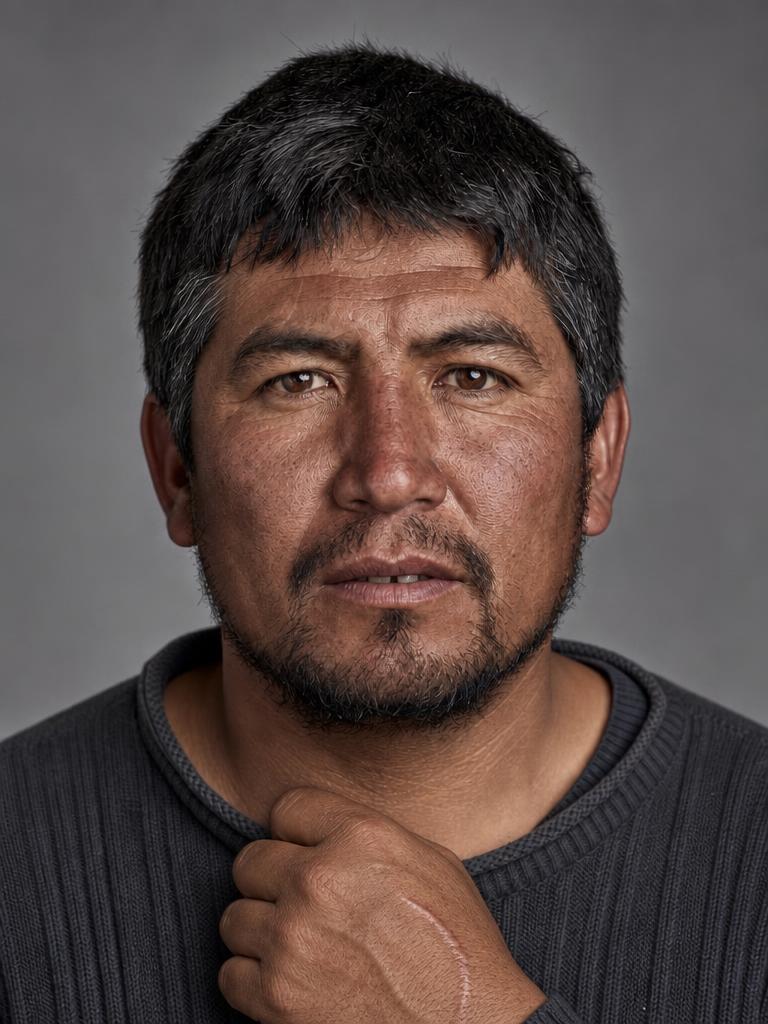
Tomas Apaza
La Paz Crown · claimable
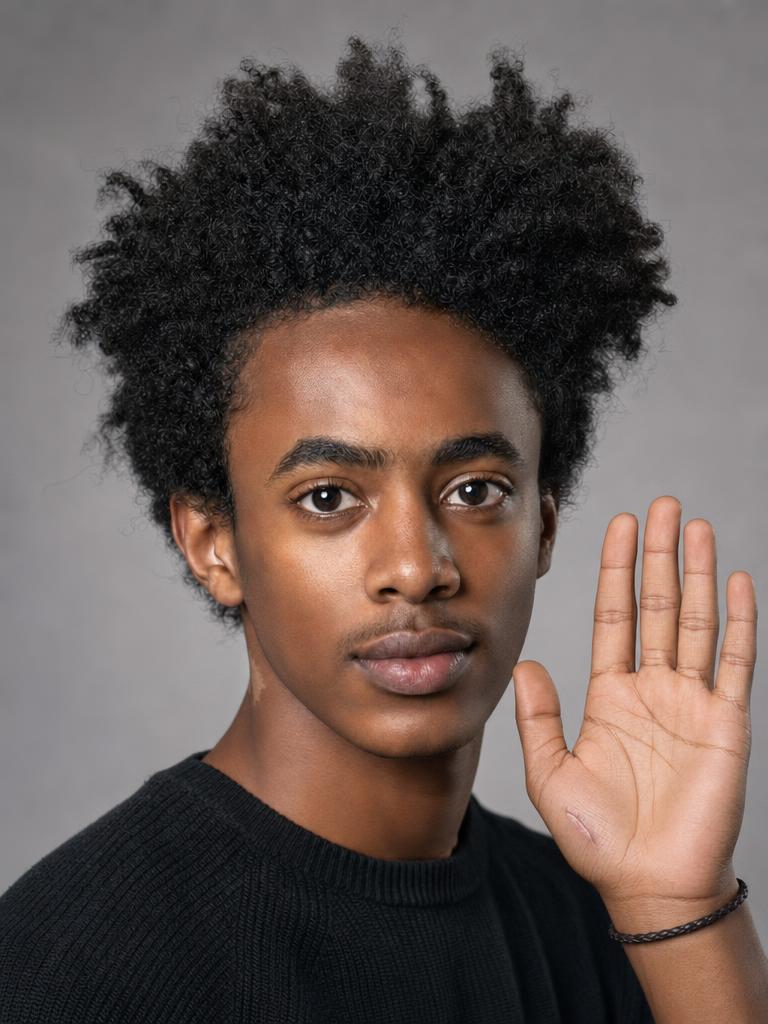
Kaleb Varga
La Paz Crown · claimable
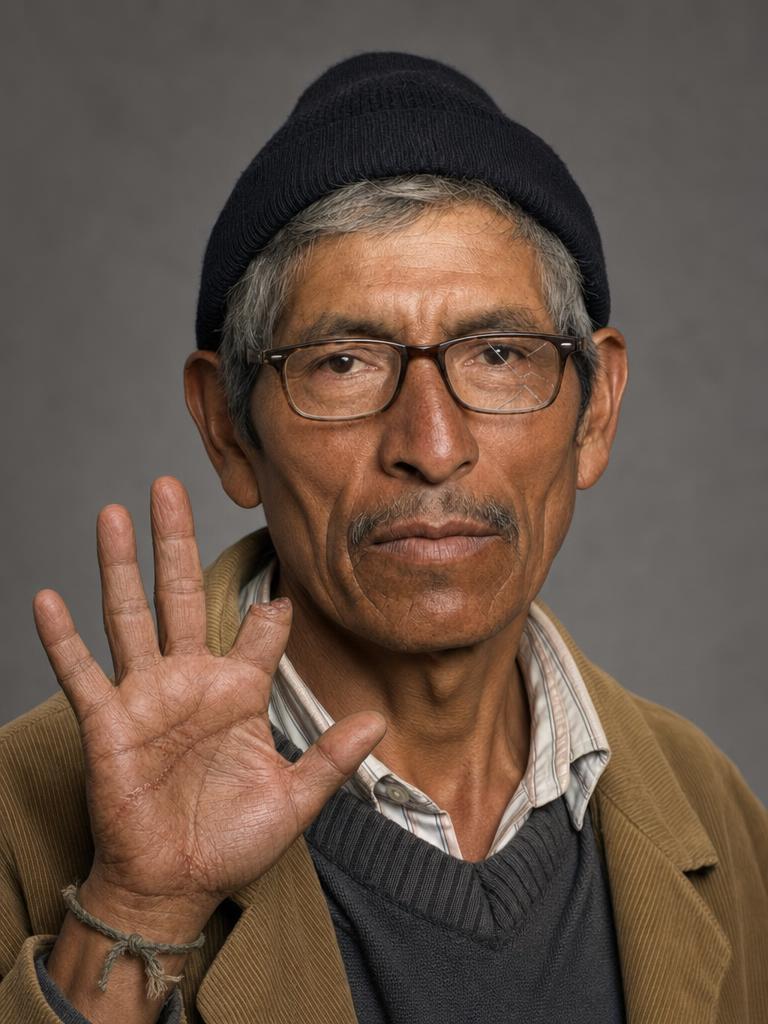
Lukas Zuber
La Paz Crown · claimable
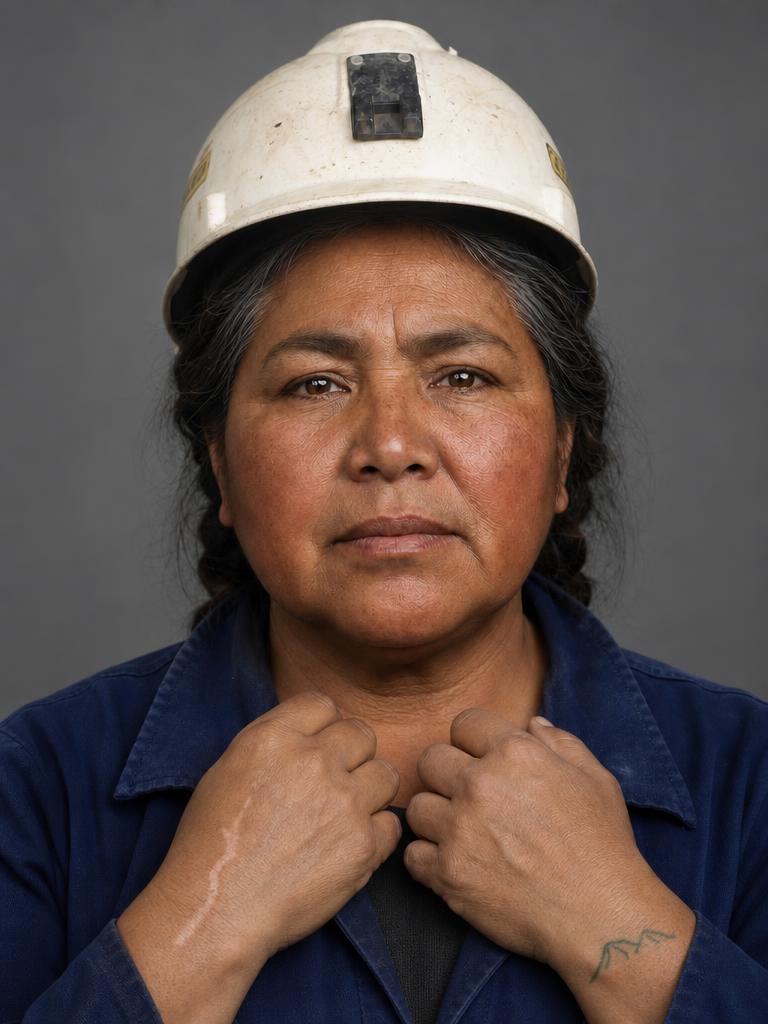
Beatriz Mamani
La Paz Crown · claimable
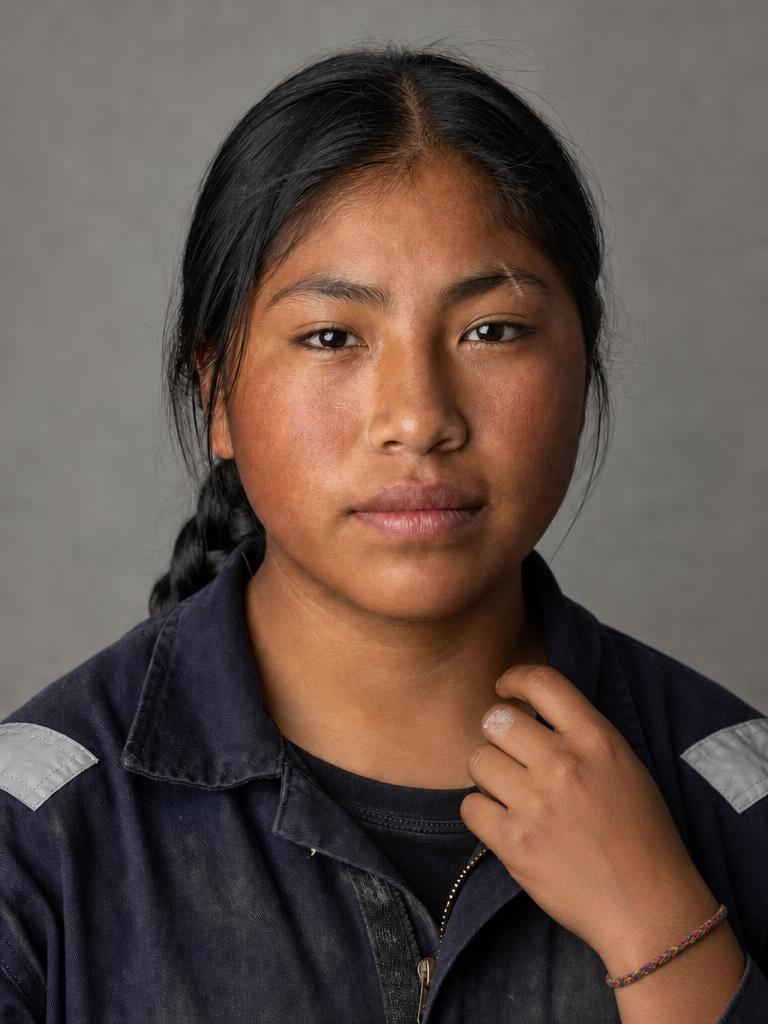
Rosa Callisaya
La Paz Crown · claimable
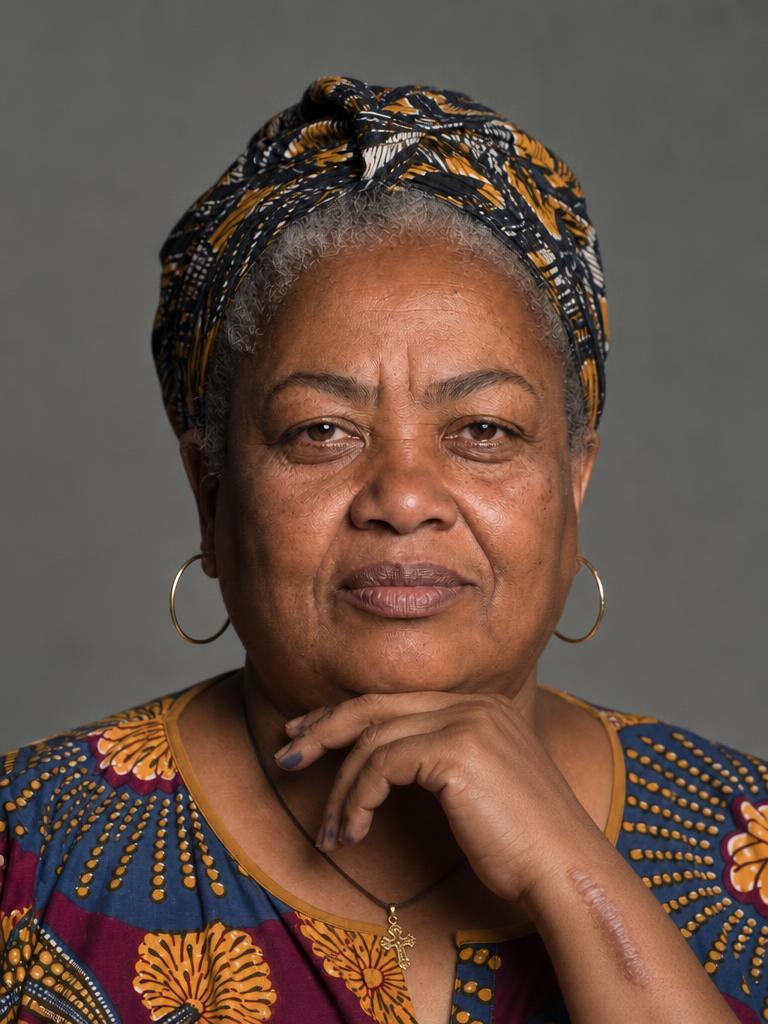
Tsehai Zewde
La Paz Crown · claimable
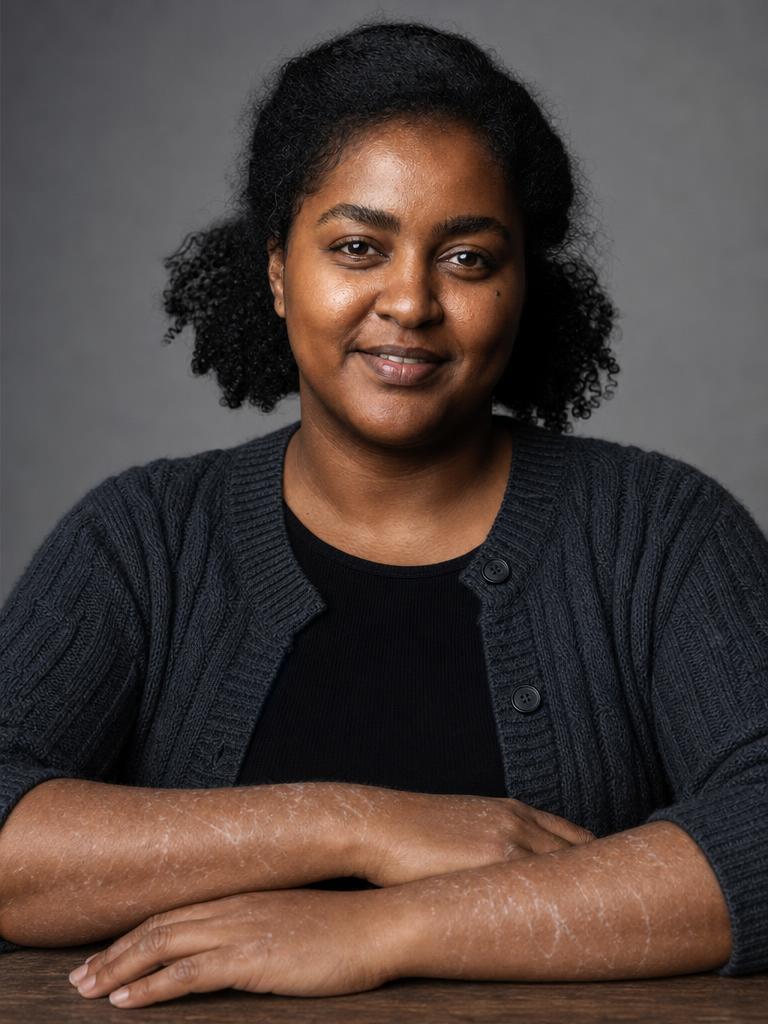
Lina Selassie
La Paz Crown · claimable
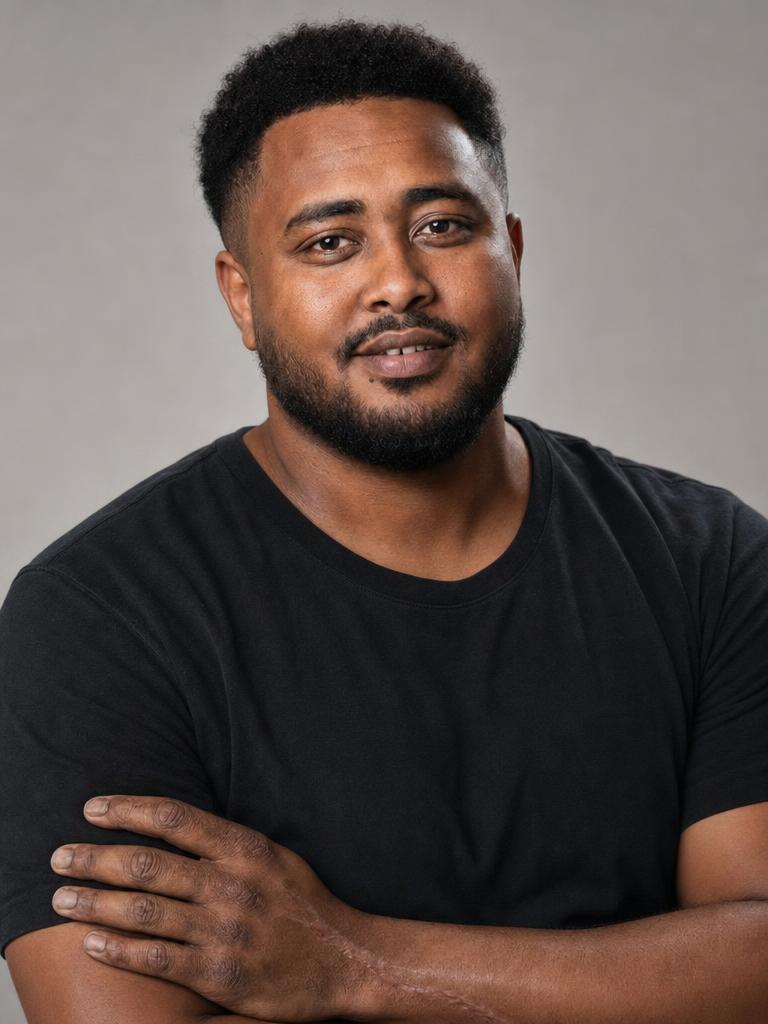
Jonas Varga
La Paz Crown · claimable
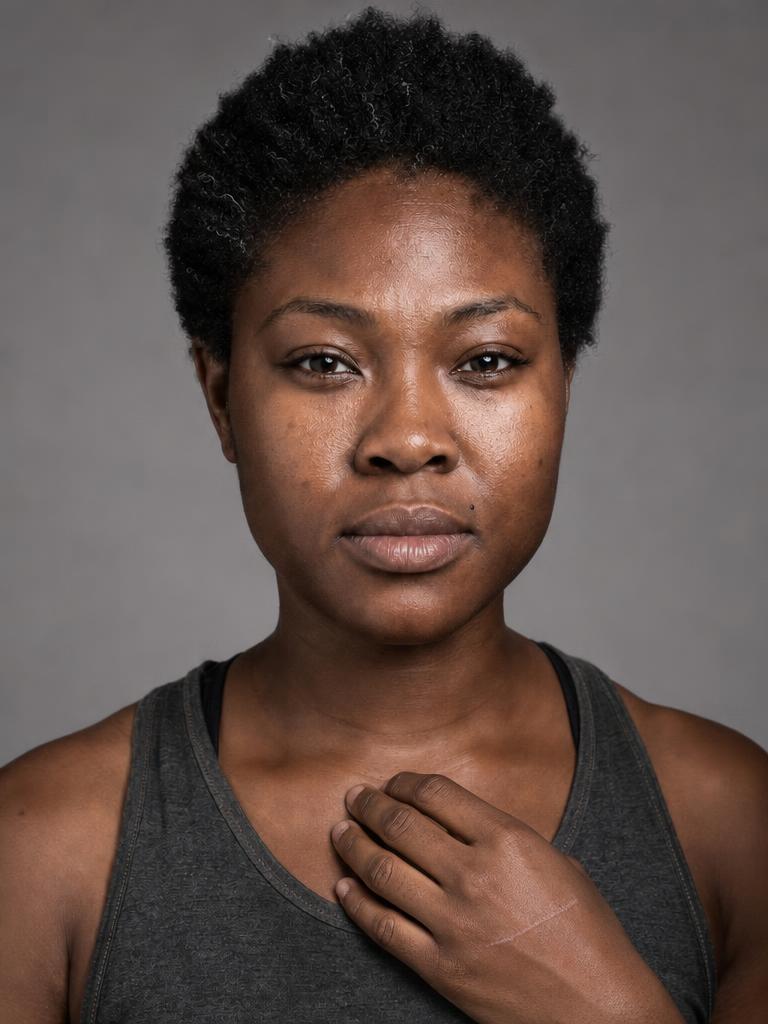
Lydia Okoro
La Paz Crown · claimable
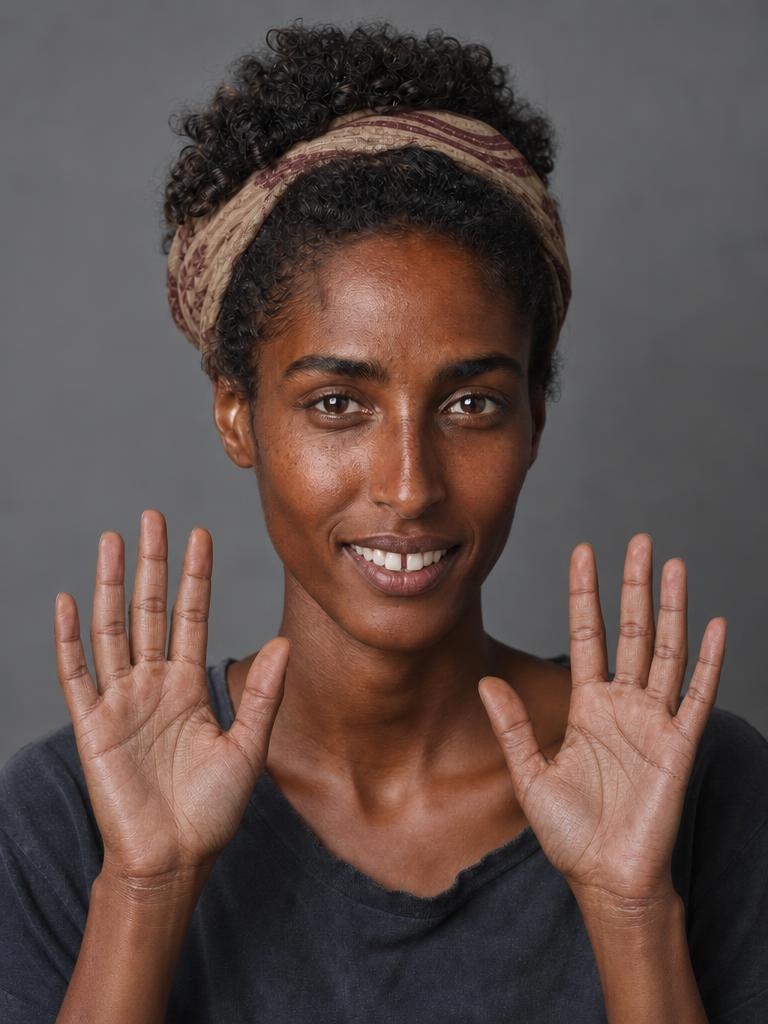
Muna Al-Amiri
La Paz Crown · claimable
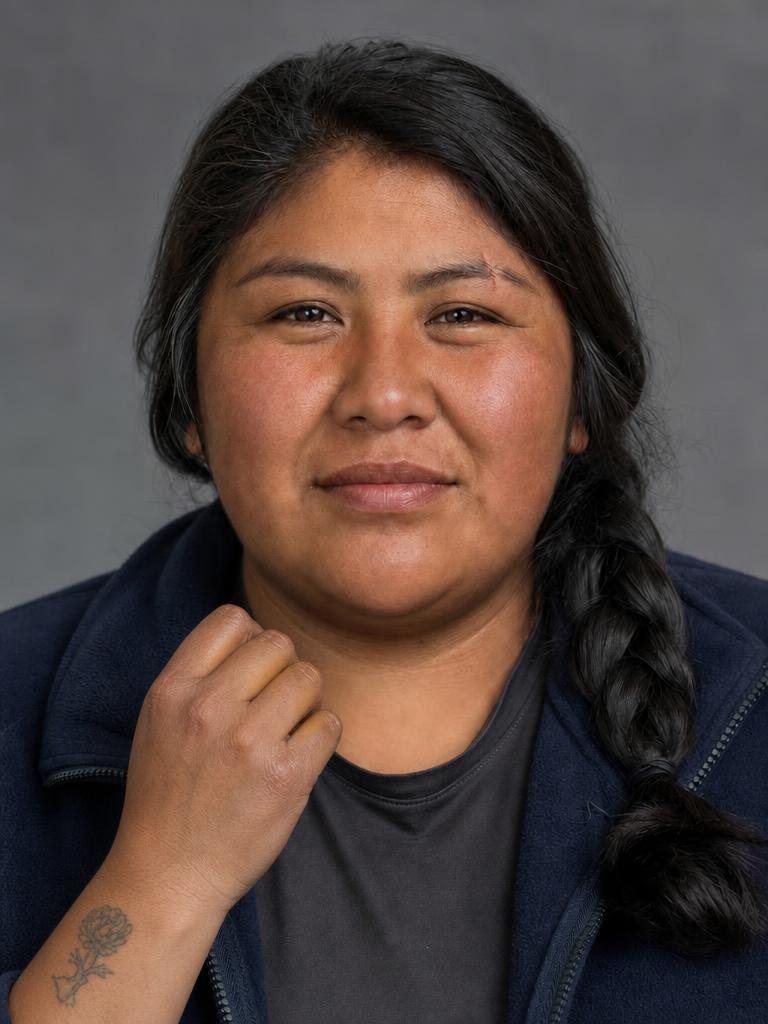
Rosalba Choque
La Paz Crown · claimable